
Canine Parvovirus Vaccine in USA: Cost, Puppy Schedule, Safety & Side Effects Explained
Parvovirus is a serious and fast-spreading disease to puppies. The majority of dog owners either do not vaccinate their puppies (due to fear of cost or side effects) or simply think their pups do not need it, which leaves the puppy at risk for serious health problems. This article will clarify when your puppy should receive the vaccine, its cost, how safe it is and possible side effects that may arise. You will have all the information you need to make an informed decision about protecting your puppy.
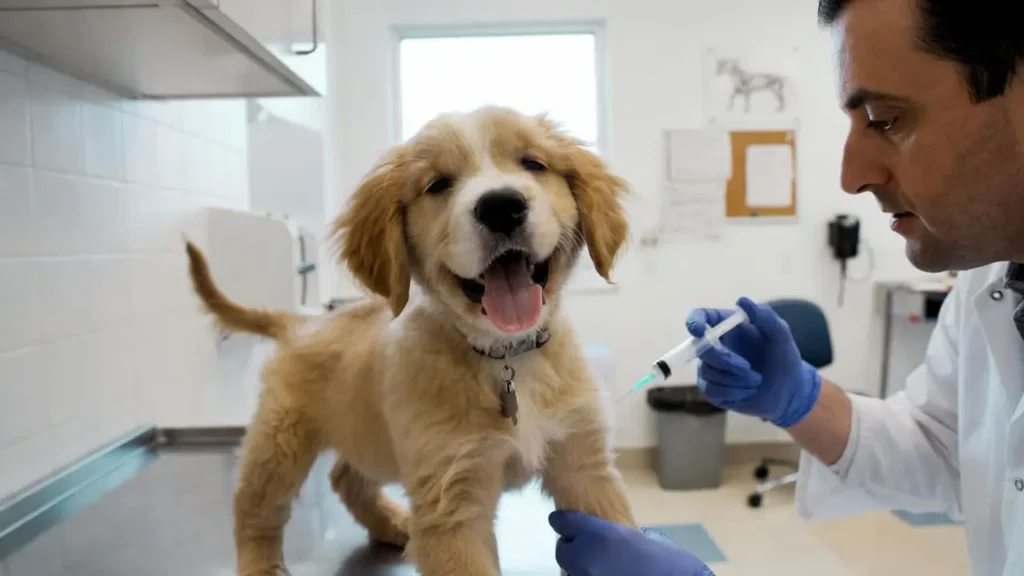
What Is Canine Parvovirus and Why It’s So Dangerous?
Canine parvovirus, commonly referred to as parvo, is an extremely contagious virus that primarily impacts dogs under six months old. Parvo attacks a dog’s intestinal system, causing extreme vomiting and diarrhea, while also compromising a puppy’s immune system, hindering its ability to fend off other infections. Puppies can contract parvo at dog parks and shelters, as well as through contaminated shoes and dirty surfaces. Vaccinating your puppy protects him from parvo, while treating parvo is much more expensive than the cost of vaccinating.
What Is the Canine Parvovirus Vaccine?
The canine parvovirus vaccination is a ‘core’ vaccination in the U.S.A. This means that every puppy and dog, no matter where in the country it resides, should be vaccinated against this viral disease, which is considered a serious, life-threatening illness to all dogs. Generally, most puppies will receive a vaccine for parvovirus as part of a combination vaccine called DHPP or DAPP. In combination vaccines, the “P” refers to parvovirus, while the other letters of the acronym refer to distemper, hepatitis, and adenovirus.
The parvovirus vaccination works by teaching your dog’s immune system to recognize parvovirus and attack it. After your dog has been vaccinated, there is a significantly reduced chance of your dog being very ill if he/she comes into contact with parvovirus. Therefore, veterinarians throughout the U.S. strongly recommend that owners vaccinate their dogs against parvovirus in accordance with the American Animal Hospital Association and American Veterinary Medical Association’s vaccination guidelines. The canine parvovirus vaccination is safe, has been extensively tested, and is the best way to protect your dog from an illness that can be difficult to diagnose and costly to treat.
Puppy Parvo Vaccine Schedule in the USA
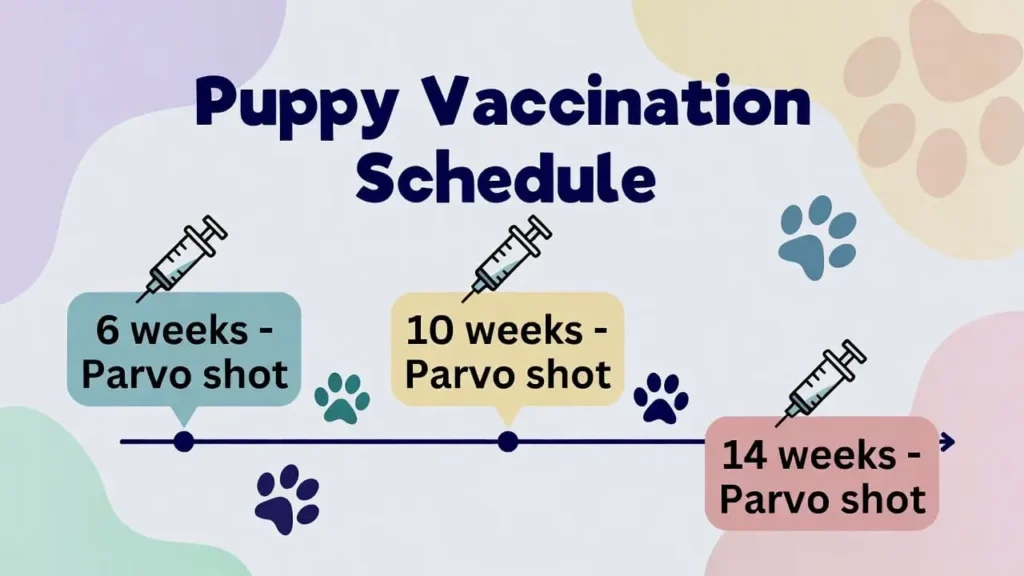
Your puppy should receive several parvo vaccinations in order to be completely safe from the disease. Most puppies get their first Parvo vaccine at 6-8 weeks of age. Then, they get booster vaccinations every 3-4 weeks until they reach approximately 16-20 weeks of age. Because a puppy’s immune system is still developing when they are young, a single vaccination will not provide them with complete protection against parvo. The last booster shot also provides them with long-lasting immunity to parvo.
If your puppy misses a vaccination, it could be putting him/her at risk for the deadly parvovirus. Therefore, you must ensure that you are adhering to the scheduled vaccination timeline set by your veterinarian. If you are unable to keep your puppy on schedule due to a delay in one or more doses, you should contact your veterinarian immediately. Additionally, you should not allow your puppy to go to any places where there is exposure to a lot of other dogs, such as dog parks, until they have received all of their required vaccinations. Following the entire vaccination schedule will help keep your puppy safe and healthy.
Do Adult Dogs Need the Parvo Vaccine?
Adult dogs do need vaccinations against parvovirus, however most adult dogs only need to have a booster shot, not the full series of vaccinations that puppies receive. Most adult dogs receive a parvo booster every one to three years based on your veterinarian’s recommendations and the specific type of parvo vaccine administered. If you have a rescue dog or one that has an unknown vaccination history, they may need the full series of parvo vaccinations to ensure immunity.
Even indoor dogs can potentially become infected with parvovirus from someone who has walked in contaminated areas and brought the virus home with them on their clothes, shoes, or hands. The frequency of the booster shot will depend on the lifestyle of your particular dog and how often they are in contact with other dogs and/or in public places. By regularly vaccinating your dog, you help keep your dog healthy, and build up their immunity against diseases.
How Much Does the Canine Parvovirus Vaccine Cost in the USA?
When it comes to the cost of a canine parvovirus vaccine, the average vaccine price in the United States is $25-$60 per shot. Many veterinarians have puppy vaccination bundles that provide a significant savings compared to purchasing each shot individually. Private veterinary clinics usually charge higher prices than community or low-cost veterinary clinics.
The expense of vaccinating your puppy is far less than treating them for parvo if they become ill. Parvo treatment has the potential to be life-threatening, and the hospital bills associated with treating parvo in the United States can vary from $1,000-$5,000, depending on how advanced the disease is. For those looking to be cost-effective, many local low-cost vaccination locations, shelters, and wellness events offer lower prices for parvo vaccinations. By taking the time to protect your puppy early in life, you avoid a much greater expense and risk waiting until your puppy becomes ill.
Common Parvo Vaccine Side Effects
The vast majority of dogs experience no difficulties with the parvovirus vaccine; however, a small percentage may exhibit mild adverse effects like lethargy, low-grade fever, and soreness at the injection site. Such symptoms will typically resolve within 1-2 days and indicate that your pet’s body is building an immunity to parvovirus. However, if your dog experiences any of the following symptoms: persistent vomiting, profuse diarrhea, difficulty breathing or sudden swelling of their face or paws, please contact your veterinarian immediately.
While these reactions are extremely rare, they can be life-threatening; therefore, knowing what is considered normal and what is considered an emergency can assist in maintaining a positive state of mind for you and your pet. Generally, the adverse effects of the vaccine are very mild when compared to the level of protection that it provides.

Can a Vaccinated Dog Still Get Parvo?
Even if your dog has received all necessary vaccinations, it is still possible for their to contract parvovirus (parvo), although this is rare. No vaccine provides perfect immunity for all dogs because every dog’s immune system responds differently to vaccinations; therefore, it is possible for a dog to be exposed to, and to become infected with, the virus before the immune system has fully developed after receiving the vaccination.
This only reinforces the importance of ensuring that your dog receives all required vaccinations, including booster vaccinations, on the schedule that the vet recommends. Timing is just as important as receiving the vaccinations themselves. If a dog is exposed to parvo before they have received the complete series of vaccinations, the dog could become infected.
However, if an individual dog has been vaccinated, and then becomes infected, that dog will usually have a much lower incidence of becoming seriously ill than an unvaccinated dog. Vaccinating your dog gives you the peace of mind in knowing that you are providing the best protection possible for your dog from parvo.
What Happens If You Skip the Parvo Vaccine
By delaying or missing your dog’s parvovirus vaccination, you are potentially placing him or her in significant jeopardy. Parvovirus infections can spread rapidly through the environment and can cause serious illness and death in young puppies within days of exposure. Many dog day cares, groomers, and obedience training facilities across the United States will not allow your unvaccinated dog to enter their facilities.
If your dog contracts the parvovirus, the treatment process can be lengthy; it can cost thousands of dollars and create tremendous emotional stress for you as the owner while you watch your once-healthy pup endure painful treatments. In addition, it is heartbreaking to see your beloved puppy in that condition. Vaccinations against parvovirus allow you to eliminate the possibility of your puppy experiencing this fate and to provide you with peace of mind knowing that you have taken every precaution to keep your puppy safe from this deadly disease. You owe it to your beloved pet as well as your family.
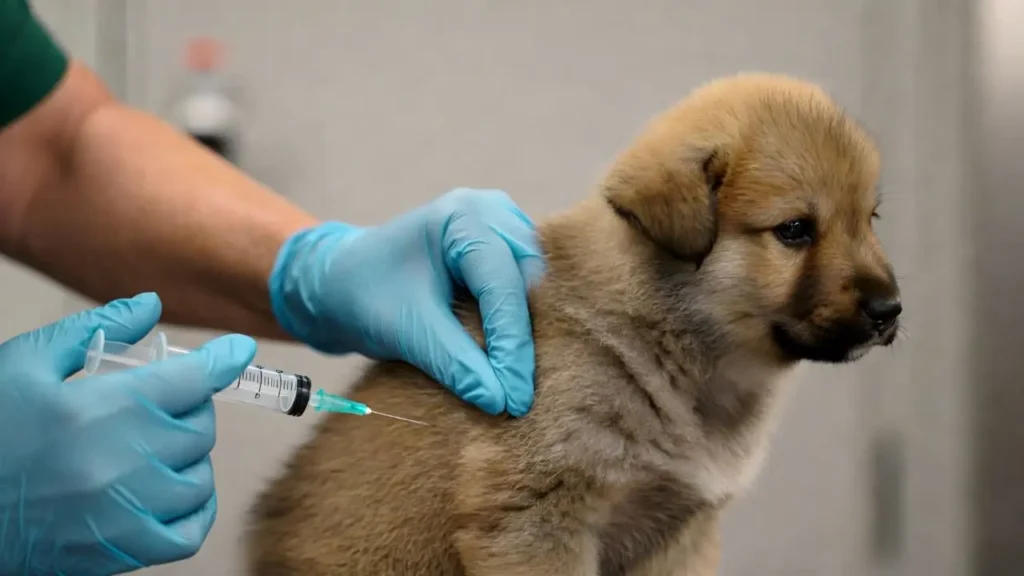
How to Protect Your Puppy Before Vaccination Is Complete
Once you’ve gotten your puppy vaccinated against Parvovirus (P) you will want to take some extra precautions. Avoid going to dog parks, pet stores, or anywhere with a lot of people (and therefore a lot of dogs!) until your puppy has received all four boosters for Parvovirus. In the meantime, it’s perfectly acceptable for your puppy to socialize with other dogs as long as they are friends with you and have been vaccinated against parvovirus as well.
At home, keep your areas clean and disinfected. Always wash your hands and disinfect your shoes when you come in from outside. Also, make sure not to let your puppy sniff or lick anything that he/she may encounter while out in public. These steps will greatly reduce the risk of your puppy contracting parvovirus. Until your puppy is fully protected with vaccinations, you should keep your puppy at home to protect him/her from exposure.
Frequently Asked Questions
How many parvo shots does a puppy need?
Most puppies in the USA need a series of parvo shots, not just one. The first shot is usually given at 6–8 weeks of age, followed by booster shots every 3–4 weeks until the puppy is about 16–20 weeks old. This full series is important because a puppy’s immune system is still developing, and multiple doses are needed to build strong protection.
Is the parvo vaccine mandatory in the USA?
The parvo vaccine is not legally mandatory at the federal level, but it is considered a core vaccine by US veterinarians. Many boarding facilities, groomers, shelters, and training centers require proof of vaccination. Even when not required by law, vets strongly recommend it due to the high risk and severity of parvovirus.
Can indoor dogs skip the parvo vaccine?
No, indoor dogs are still at risk. Parvovirus can be carried indoors on shoes, clothing, or hands after contact with contaminated surfaces. Because the virus is very resilient, even dogs that rarely go outside can be exposed. Vaccination provides essential protection regardless of a dog’s lifestyle.
What if my puppy is already exposed to parvo?
If you believe your puppy has been exposed to parvo, contact a veterinarian immediately. Early medical care can improve survival chances. Do not wait for symptoms to appear. Your vet may recommend testing, isolation, or supportive treatment depending on the situation and your puppy’s vaccination status.
Final Thoughts: Is the Parvo Vaccine Worth It
While parvo can be dangerous and may even result in death for your dog, there’s something you can do about it. You can help protect your puppy from parvo with a vaccine. Vaccines are extremely inexpensive compared to what you would pay for veterinary bills if your pet becomes ill from parvo. Your dog will be well protected against parvo throughout his lifetime as long as you give him all of his vaccinations on time. Getting your puppy vaccinated early on is vital to maintaining his health.
If you don’t want to go through the heart-wrenching experience of watching your puppy suffer and spending thousands of dollars on veterinary care due to parvo, getting the parvo vaccine will help you achieve that. Veterinarians throughout the United States recommend vaccinating all puppies against parvo as it saves lives and prevents suffering. Getting your puppy properly vaccinated will provide him with the best chance to be healthy.
If you want to explore more helpful dog care and insurance guides, check out these resources:
How to Take Care of a Puppy at Home for Beginners
A simple guide for new puppy owners covering daily care, feeding, and safety.
Read the full guide here
Stop Your Puppy From Crying in the Crate at Night
Learn practical crate training tips to help your puppy feel calm and secure.
Check the article here
Best Natural Dog Shampoo for Sensitive Skin in USA
Discover gentle grooming options for dogs with sensitive skin.
See the full guide here
Best Pet Insurance Covering Emergency Vet Visits
Compare insurance plans that help cover unexpected medical costs.
Explore the options here
Real Pet Insurance With No Waiting Period in USA
Find insurance options that offer faster coverage when you need it most.
Learn more here
Reading these guides together can help you make informed decisions for your dog’s health, comfort, and long-term care.
📅 Last Updated:
✅ Reviewed & Verified by: M. Nouman, Pet Care Researcher
📖 This article on Canine Parvovirus Vaccine in the USA: Cost, Schedule, Safety explains everything puppy owners need to know — vaccine cost, schedule, safety, and side effects to keep your puppy healthy. Read the full guide here.

About the Author 📚
M. Nouman is a dedicated pet insurance researcher with over 7 years of experience helping U.S. pet parents find affordable, trusted coverage. Working closely with veterinary professionals, Nouman ensures that every article on PetCoverUSA is accurate, reliable, and backed by real data.