
Some links may be affiliate links. We may earn a small commission at no extra cost to you.
Information may change over time and should be verified with official providers. We are not responsible for any decisions made based on this content.
Best Affordable Dog Dental Plans in USA (2026): The Plan Options Worth Comparing
The most affordable dog dental plans run $15 to $60 a month as a basic package or optional add-ons. But, this “affordable” word is misleading unless you don’t understand what these plans reject in reality. Indeed, the monthly premium for these plans is less, but you pay 100% out of your pocket for big surgeries, blood tests, and complex root canals. Let’s break down the hidden math so you don’t get surprised later.
Table of Contents
- Why I Wrote This (And Why It’s Different)
- How I Researched This Article
- Who Is This Blog For?
- The Stat That Should Stop Every Dog Owner Cold
- What Dog Dental Plans Actually Cost (Real Numbers, Not Marketing)
- The Dental Catch-22 Nobody Explains
- What Dog Dental Plans Cover vs. What They Don’t
- Deep Research Table: Top 2 Dental Plans Compared
- The Deductible Question Nobody Tells You to Ask
- Real Alternatives Worth Considering
- FAQ’s About Dog Dental Plans
- My Honest Bottom Line
Why I Wrote This (And Why It’s Different)
I started researching dog dental plans when I read frustrated posts on Reddit (r/dogs and r/personalfinance). Thousands of pet parents asked one question: “Why did the insurance company reject my claim, while it is written that dental is covered on my policy?”
When I compared real policy contracts and real veterinary advice, I found a frustrating reality. Most articles on the internet just cover surface-level tables designed just for clicks. They never tell you about the terms and conditions that are hidden inside “affordable” dental add-ons, nor do they explain how much these affordable plans cost you when your dog needs surgery.
I didn’t want to write shallow reviews like other articles. I dug deep into this boring paperwork to know how the claims process works in the real world, and this guide is the result of this research.
How I Researched This Article
I didn’t start my research from Google; instead, I started it from Reddit. I studied ASPCA, Embrace, Spot, and MetLife’s PDF policy contracts. I compared Cornell University, Today’s Veterinary Practice journal, and CareCredit’s 2025 survey data to know medical and financial realities.
Who Is This Blog For?
This blog is for you:
- If your dog is younger than 2 years and has no vet record yet.
- If your dental claim has been denied recently.
- This is for pet parents whose vet has quoted $800 to $1,500 for cleaning
- If you have a small breed dog like a Poodle, Dachshund, or Chihuahua.
But if your dog is 7 or older and already has dental issues, then this article is not for you because at this point, insurance math rarely works in your favor.
The Stat That Should Stop Every Dog Owner Cold
According to Cornell University’s research, 80% to 90% dogs older than 3 years suffer from some form of Periodontal Disease, and small breeds are at high risk of this disease.
Source: Cornell University CVM
Even Today’s Veterinary Practice notes that 80% dogs already develop this gum disease by the age of just two years.
Now the uncomfortable part is that your dog is more prone to dental disease, insurance companies call it “preventable”, and reject your claim using this excuse.
What Dog Dental Plans Actually Cost (Real Numbers, Not Marketing)
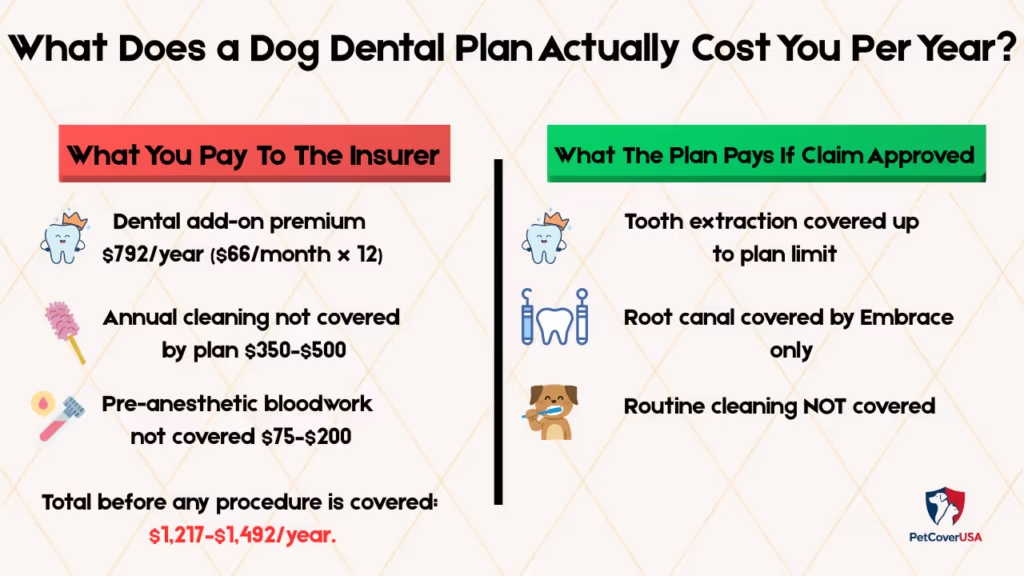
After researching more than 10 insurance plans, I found out that the monthly premium on dental add-ons is between $15 to $90, which is almost $66 per month on average. But let’s look closely at bills you still pay out of pocket.
According to PetMD, a standard dental cleaning by a vet costs $350 to $500, while advanced procedures by specialized veterinary dentists may cost more than $1,500.
Source: PetMD
According to Ask a Vet, important bloodwork before anesthesia (which insurance companies mostly reject) adds another $75 to $200 just to clear your dog’s organs for surgery.
If your dog actually requires a tooth extraction, PetMD estimates the cost may start from $500 to a massive $2,500 pet tooth, depending on the structural complexity.
Source: PetMD
Now, let’s do real math together. If you are paying a monthly premium of $66 for a dental add-on, which means you are paying $792 annually just on the policy alone. When you add the $400 routine cleaning, you must pay out of pocket entirely. Your annual expense reaches $1,192 before any illness or emergency claim. This is the reality of an “affordable” plan that comes near to you before filing a claim.
The Dental Catch-22 Nobody Explains
This is the massive gap that other blogs on the internet completely skip, and this thing is more important than any other premium comparison table you will find online.
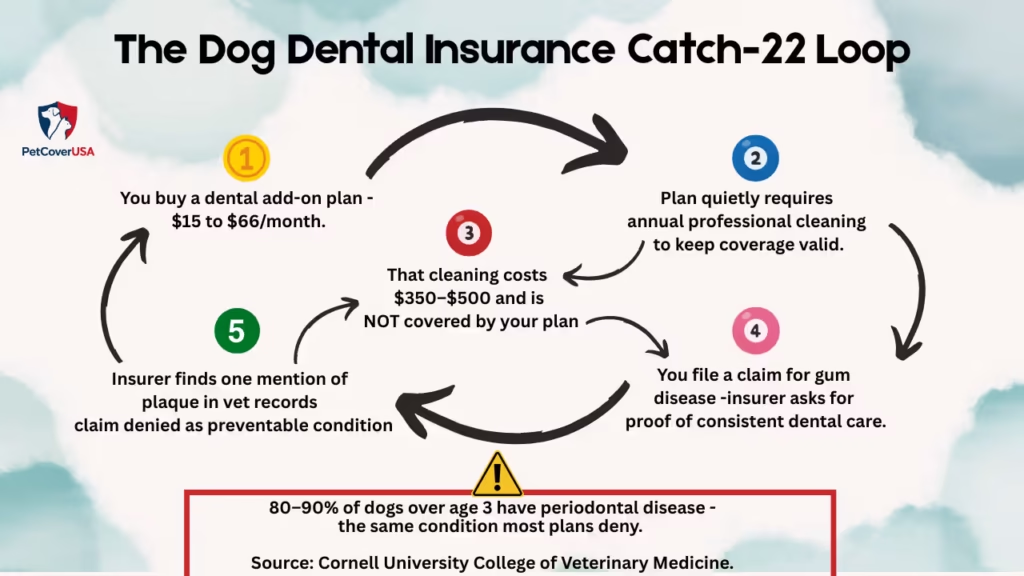
Most of the pet parents are stuck in an unknown loop, which seems very common. First of all, you buy a dental add-on plan to avoid expensive surgery. But there is a hidden requirement in policy that you have to visit the vet annually for dental cleaning strictly; otherwise, your dental coverage may end.
Now, the problem is that the company doesn’t pay $350 to $500 for dental cleaning; you have to pay out of pocket.
If your dog appears to have gum disease (Periodontal Disease) and you file a claim, then the company requires your dog’s old vet record, medical history, and home brushing logs. If your vet record mentions dental cleaning missed or plaque, the company may reject your claim, labeling it “preventable condition”.
On forums like r/personalfinance, this exact scenario repeats constantly, where pet parents paid dental insurance premiums for three years, but when they filed a claim, it was rejected because two years ago, the vet mentioned “moderate tartar buildup” in the record.
Dr. Jo Myers, a veterinarian at Vetster, explains it briefly and clearly in her clinical guidance:
“Veterinary guidance emphasizes regular brushing, professional cleanings, and VOHC-approved dental products to help reduce dental disease risk in dogs.”
Dr. Jo Myers, a veterinarian at Vetster
Source: Vetster.com
This medical advice is incredibly solid, but it also unmasks the ultimate insurance catch: you don’t have to pay out of pocket for dental cleaning so that your dog is healthy; instead, you have to pay so that the insurance company cannot reject your claim. If you brush your dog’s teeth at home, always use Veterinary Oral Health Council (VOHC) approved products and keep its receipts safe, so that you may have evidence.
What Dog Dental Plans Cover vs. What They Don’t
What’s generally covered:
- Fractured teeth from accidents
- Tooth extractions linked to a covered illness
- Jaw fractures
- Stomatitis (oral inflammation)
- Root canals and crowns (but only with select plans like Embrace)
What’s often excluded:
- Routine annual dental cleanings
- Anesthesia is billed as a separate line item (this catches people off guard)
- Pre-anesthetic bloodwork ($75–$200)
- Full-mouth X-rays when billed separately
- Post-procedure antibiotics and pain medications
- Periodontal disease claims (listed as covered, frequently denied)
- Any condition present before the policy started
I want to uncover the anesthesia and bloodwork risk because these two things are mostly hidden in every policy. According to The Magic Paws data, a usual cleaning with anesthesia can cost $300 to $700, but when you add necessary bloodwork, X-rays, and extractions, the bill can go up to $1,500.
Source: The Magic Paws
You may be billed separately, as your insurance company will claim “cleaning procedure”, but it will reject anesthesia and bloodwork expenses because the vet mentioned it in another line of the invoice. Therefore, before you book an appointment, call your insurance company and ask them clearly if they will cover anesthesia cost is included in their illness policy or not.
Deep Research Table: Top 2 Dental Plans Compared
| Feature | ASPCA Complete Coverage | Embrace Dental Add-on |
|---|---|---|
| Monthly cost (dogs) | Quote-based; example rates around $39/month are possible, but not fixed public pricing. usnews | Quote-based; example rates around $39/month are possible, but not fixed public pricing. embracepetinsurance |
| Periodontal disease | Dental chews/toothbrushes covered? | Covered under dental illness, but exclusions and pre-existing-condition rules still apply. wagwalking |
| Root canals covered? | No, ASPCA comparison materials indicate root canals are not covered. moneygeek | Yes, Embrace’s dental coverage includes root canal surgery. petplace |
| Routine dental cleaning covered? | No undercore insurance; preventive/wellness add-on may help with routine care. nerdwallet | No under core insurance; routine cleaning is typically handled through Wellness Rewards / routine-care options. wagwalking |
| Dental cleaning allowance | Via a preventive care add-on, depending on plan. nerdwallet | Up to $150/year via Wellness Rewards, depending on selected option. wagwalking |
| Anesthesia included for dental claims? | May be included when medically necessary, but policy wording should be checked. nerdwallet | May be included when medically necessary, but policy wording should be checked. wagwalking |
| Dental chews / toothbrushes covered? | No under core insurance. nerdwallet | Usually only through Wellness Rewards or routine-care add-ons, not core insurance. wagwalking |
| Gum disease claim denial risk | Moderate, because periodontal problems may be denied if considered pre-existing or preventable. vetx | Moderate, for the same reason. vetx |
| Waiting period | 14 days for illness. usnews | 14 days for illness. embracepetinsurance |
In my opinion, if dental coverage is your main reason to buy pet insurance, then Embrace is ahead of all insurance companies. Where most of the companies avoid expensive surgeries, Embrace covers root canals and complex dental diseases. Furthermore, getting their Wellness Rewards add-on is a smart move; it covers expensive routine dental cleaning while simultaneously it builds verterinary paper records you need to maintain policy validity. If you want real dental support, it is the strongest option.
The Deductible Question Nobody Tells You to Ask
Before choosing a plan, you should ask a question that most of the pet parents miss.
Is this an annual deductible or a per-condition deductible?
The annual deductible is straightforward; you pay it once a year, and every covered claim is applied to the whole year. On the other hand, with a per-condition deductible, you have to pay a new deductible out of pocket for every new dental problem.
If your dog faces dental problems often, this per-condition process can increase your annual expense from 3 to 5 times. Just this condition decides whether insurance is useful for you or not, but most of the comparison articles completely hide it.
Real Alternatives Worth Considering
If you have read this far and are still confused about whether dental insurance is the right choice, consider these three practical alternatives that offer financial protection.
Pet savings account
Build your own pet saving account. Instead of paying a monthly premium of $66 to an insurance company, put it into your savings account. Within two years, you will have $1,584 cash in your account. This is the amount that you can pay out of your pocket without the fear of claim denial.
CareCredit
The other option is the use of CareCredit. This is a healthcare credit card that most of the vets accept, and there is no interest(0% APR) for 6 to 18 months, which is the best way to convert high bills into easy installments.
Source: CareCredit
In-house vet wellness plans
Many local vets have their own wellness plans. Instead of buying insurance, you can contact a clinic that runs an annual dental package on its own. For example, WellHaven Pet Health offers a Basic Dental Care Plan, which includes anesthesia, X-rays, cleaning, and bloodwork before surgery in one package. Thus, the biggest benefit of a local plan is that you don’t have to file a claim, and there is less fear of claim denial. Call the vet in your area and ask them if they offer such a package.
Source: WellHaven Pet Health
FAQ’s About Dog Dental Plans
FAQs About Dog Dental Plans
Does affordable dog dental insurance actually cover teeth cleaning?
No. Routine cleanings are not covered by standard dental add on plans. A cleaning may be covered only if a vet prescribes it as treatment for a diagnosed dental illness. Even then, insurers can deny the claim if they determine the disease was preventable. Most wellness riders pay $100 to $150 per year toward routine cleanings as a partial offset.
Why do dog dental insurance companies deny periodontal disease claims?
Periodontal disease is extremely common and serious, but most insurance policies classify it as preventable. If an insurer finds documentation of plaque, tartar, or missed dental care in your dog’s veterinary records, they may deny the claim even if you have maintained coverage for years and the disease developed gradually.
Does dog dental insurance cover anesthesia and bloodwork?
Often not. These services are frequently billed separately from the dental procedure itself. Pre anesthetic bloodwork typically costs between $75 and $200 and may be excluded unless the policy specifically states otherwise. Always verify coverage with your insurer before scheduling treatment.
Can I use an HSA or FSA for dog dental care?
Under current IRS rules, pet expenses are not eligible for HSA or FSA reimbursement. The proposed People and Animals Well being Act introduced in 2025 would allow up to $1,000 per year in veterinary expenses to qualify if enacted. However, the legislation has not passed, so pet dental costs remain ineligible at this time.
Which dog dental plan has the lowest claim denial rate?
No pet insurance company publicly reports claim denial rates. Based on consumer complaint patterns and review data, Embrace and ASPCA appear to receive fewer denial related complaints than some competitors. However, this is observational information rather than verified industry data. Always review exclusions and policy wording carefully before purchasing.
My Honest Bottom Line
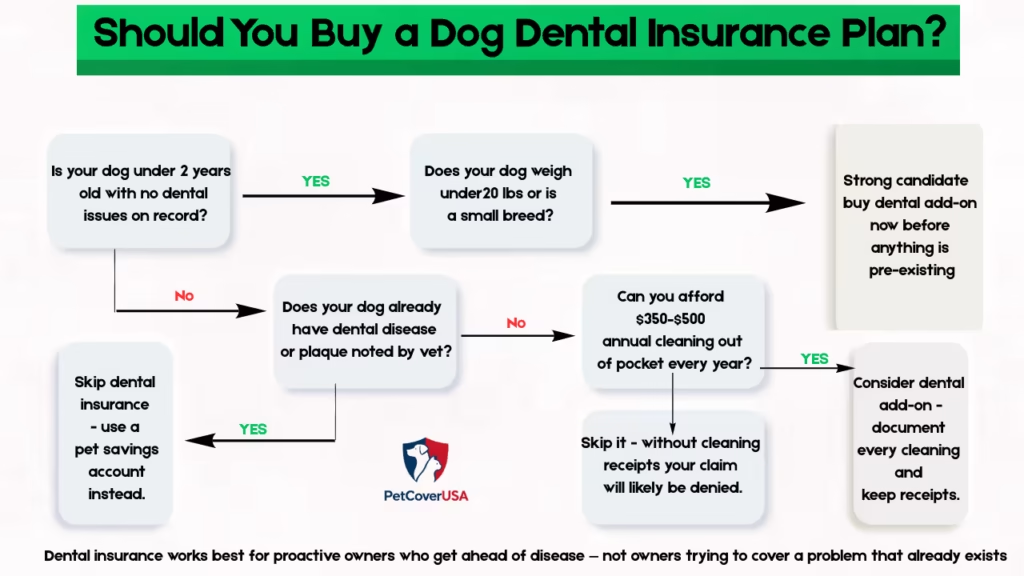
If your dog is under the age of two years and has no medical history, it may be the best financial strategy to get any dental add-on plan as soon as possible. Taking action during this age is useful because it may get covered completely, because, as long as you wait, every illness your dog develops will be out of coverage, labeled as a “pre-existing” condition.
Conversely, if a dental disease has already been written in your dog’s medical record, standard dental plans are likely to lead to disappointment. In this situation, it is more useful to make a personal savings account, or choosing vet recommended upfront wellness package.
I am not saying that dental insurance is bad; I am saying that you should clearly understand the exact policy language before enrollment. Most of the time, the legal fine print decides your actual coverage reality, while marketing hides those critical details
Related Pet Insurance Guides
If you’re comparing dental coverage options, our guide to pet insurance that covers dental care for dogs provides a broader look at dental-related coverage.
If you’re specifically interested in coverage without a waiting period, see our guide to pet dental insurance with no waiting period .
Regular dental care is another important part of protecting your dog’s oral health. See our dog dental care tips for healthy teeth for practical information.
You can also learn more about professional and at-home cleaning in our guide to dog dental cleaning at home and professionally .
For a broader understanding of pet insurance beyond dental benefits, read our guide to comprehensive pet insurance coverage .
📅 Last Updated:
M. Nouman, Pet Insurance Researcher📖 This article on Best Affordable Dog Dental Plans in USA (2026 Guide to Costs & Coverage) is regularly updated to provide accurate, expert-backed insights for pet parents. Read the full guide here.

About the Author
M. Nouman is an independent researcher and writer focused on U.S. pet insurance. He reviews insurer policy documents, coverage terms, waiting periods, reimbursement options, exclusions, and publicly available veterinary and regulatory resources to create clear, research-based guides. His goal is to simplify complex insurance information so pet owners can make informed decisions based on reliable sources rather than marketing claims. Articles are reviewed and updated as policies and industry information change.
Areas of Research: Pet Insurance Policies, Coverage Analysis, Policy Comparisons, Waiting Periods, Reimbursement Models, Policy Exclusions, Claims Education
Research insights and updates on Quora, LinkedIn, and Reddit.