
Pet Insurance Risk and Cost Calculator– Estimate Your Pet Costs Instantly By Breed
The process of selecting pet insurance can be daunting because there are so many options for providers, coverage amounts, premiums and deductibles. With such a wide variety of providers, coverage amounts, premiums and deductibles…making the wrong choice can cost you.
My name is (M. Nouman) and I have spent over 7 years managing my current pets' medical expenses via veterinary clinic visits, and I have personally reviewed over 15 different pet insurance policies. I would like to share my experience with you in this publication and help you see how to make an informed decision based on factual data regarding how to pick the best available insurance coverage based on your pet's breed, the age of your pet, the estimated total lifetime cost of providing veterinary care vs. the amount you will pay for the insurance premium, as well as common mistakes made when purchasing pet insurance.
Once you finish reading this publication you will:
- Understand which policy provides pet coverage appropriate to your pet's breed and age
- Understanding what the estimated average lifetime cost of expected medical issues versus the total lifetime benefits received from the policy will be before you purchase the policy
- Understanding some of the more common pitfalls that pet owners fall into when purchasing a pet insurance policy

Why Pet Insurance Matters
Petcare costs have increased dramatically in the US. According to the AVMA, by 2025, the average annual cost per dog ($1,200), adding in specialized care (i.e., from a Specialist Veterinarian) and/or emergency visits (greater than $5,000) will cost the pet owner thousands of dollars. Although the average cost per cat is significantly less expensive than for dogs i.e., thousands of dollars may need to be spent (in total) for treating chronic condition of cat).
Understanding Coverage Levels
Pet insurance typically has three types:
Accident-Only Plans
Cover things like a broken bone or a deep cut. They have low premiums, but offer very limited coverage. This type of coverage may not be suitable for certain dog breeds that are at high risk for hereditary conditions.
Accident + Illness Plans
Cover injuries, as well as infections, cancers and chronic conditions. Most responsible pet owners choose this type of policy.
Wellness / Preventive Add-Ons
Cover routine veterinary care such as vaccinations, deworming, annual check-ups and cleaning of teeth. These optional add-on policies are great to reduce out-of-pocket routine veterinary expenses.
What I Learned After Reviewing 15+ Pet Insurance Plans:
- Accident only pet insurance policies usually have a lot of exclusions regarding expensive hereditary medical conditions.
- Add-ons for wellness are cost-effective if your pet frequently visits the veterinarian.
- Deductibles are more important than premiums over a pet’s life.
Example of a Real Vet Bill
Dog’s name: Bella (4 years old - Lab)
Bella underwent Hip Dysplasia surgery
Vet bill: $6,800
Type of pet insurance: Accident and Illness with $10,000 annual limit, $500 deductible and 80% reimbursement.
Out-of-Pocket Cost Calculation:
- Annual deductible: $500 (this amount paid first)
- Remaining bill: $6,300
- Insurance reimbursement: 80% of remaining vet bill ($5,040)
Out-of-Pocket Expense: $1,760
If Bella did not have insurance, she would have had to pay the entire $6,800 for the surgery.
This is a good example of how insurance protects you from the financial strain of an unplanned expense.
How to Use Breed Risk Data to Select Coverage
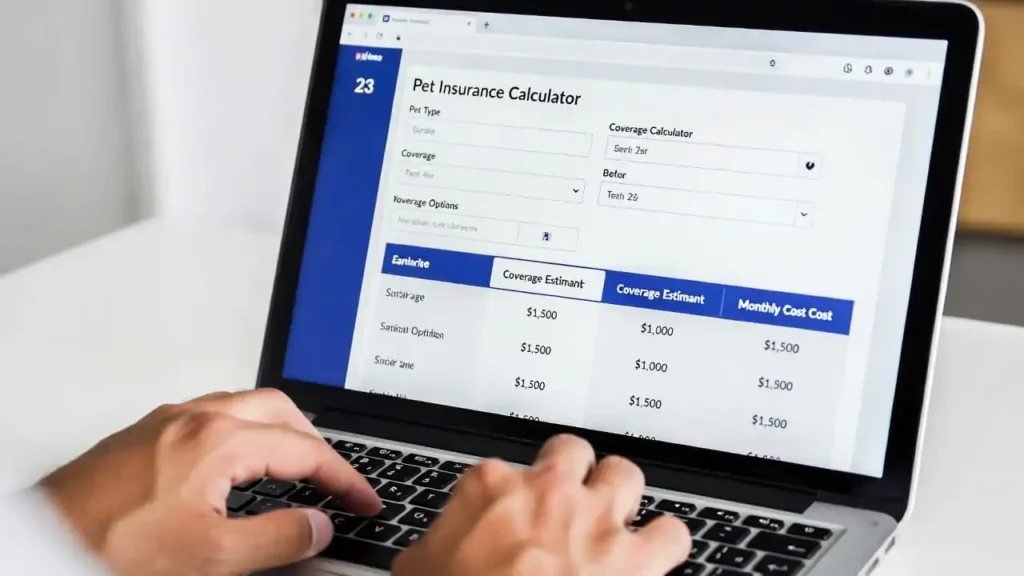
We can analyze your pets risk at an individual pet and breed level by referencing their known hereditary risks, veterinarian fee structure and aggregate treatment costs to give you a customized recommendation.
An example of analyzing the level of risk for a French Bulldog:
- Breed: French Bulldog
- Level of Risk: Very High (one of the highest dog breeds)
- Common Health Issues: Breathing disorders, skin allergies and spinal disorders
- Estimated Cost of Sick Visit: $5,000 - $12,000
- Recommended Insurance Coverage: No Annual Maximum
- Insurance Advice: Focus your insurance on congenital and chronic illnesses.
Choosing Between Deductibles, Reimbursement, and Annual Limits
| Plan Feature | Low | Medium | High | Recommendation |
|---|---|---|---|---|
| Annual Deductible | $250 | $500 | $1,000+ | Choose mid-range to balance premiums & OOP costs |
| Reimbursement Rate | 70% | 80% | 90% | 80–90% is realistic for most breeds |
| Annual Limit | $5,000 | $10,000 | Unlimited | Unlimited for high-risk breeds |
| Waiting Period | 0–14 days | 15–30 days | 31+ days | Shorter waiting periods reduce risk exposure |
Tip: Don’t choose the cheapest premium without checking annual limits. A $25/month plan with a $5,000 limit might leave you uncovered for major surgery.

Pros and Cons of Pet Insurance
Pros
- Mitigates the impact of financial shocks for emergency vet visits
- Covers pre-existing and chronic conditions
- Provides peace of mind for first time pet owners
Cons
- Premiums go up as pets get older
- Most plans will not pay for congenital and/or chronic illnesses
- Wellness insurance is optional and costs money
Who This Plan Isn't For:
- Pet owners with very low risk breeds that don’t check with their veterinarian regularly
- Pets with pre-existing chronic health issues (check exclusions in plan)
- Those individuals who prefer to self insure using a savings account.
Common Mistakes Pet Owners Make
For pet owners, it is easy to underestimate the potential hereditary diseases that can affect their pet(s).
Many people also make the mistake of selecting the lowest price on insurance, which could create a major risk of inadequate coverage for your animal(s).
Some owners do not consider waiting periods for illness; there can be waiting periods from 0 to 6 months depending upon the insurance company or breed of pet for specific illnesses.
Many pet owners do not know that there will be many costs associated with normal preventative veterinary care that should be budgeted for; in total, routine care will cost an average of over a lifetime for a small dog and for a large dog.
Choosing the Best Provider
Look for:
- Written procedures for claim determination
- Company that has received positive reviews from customers
- Insurance coverage that provides protection consistent with the breed of your pet
Red Flags:
- Hidden exclusions for conditions that commonly occur in that breed of animal
- Very lengthy waiting periods for coverage on your dog/cat
- The process for reimbursing owners from the insurance company lacks transparency
FAQ's About Pet Insurance Risk and Cost Calculator
What is the average cost of pet insurance for dogs in 2026?
The cost varies by breed, age, and coverage, but most plans range between $30–$70 per month for mid-range accident & illness coverage.
Can pet insurance cover hereditary conditions?
Yes, many comprehensive plans cover hereditary and congenital conditions if your pet enrolls before symptoms appear. Always check exclusions.
How do deductibles and reimbursement percentages affect out-of-pocket costs?
A higher deductible lowers your monthly premium but increases your initial costs per claim. Reimbursement rates determine the percentage of covered bills the insurer pays after the deductible.
Are routine visits covered under wellness plans?
Optional wellness or preventive care add-ons cover routine exams, vaccinations, and dental cleanings up to a set annual limit.
Which breeds require the most comprehensive coverage?
Breeds prone to hereditary issues, such as French Bulldogs, German Shepherds, and Labradors, typically benefit from unlimited or high-limit accident & illness coverage.

Conclusion
Pet insurance is not for every pet owner. Here are three reasons pet insurance makes sense:
- Your pet is a breed known for being at high risk for developing hereditary diseases;
- You want to provide financial protection against potential incidental costs associated with veterinary care;
- You want coverage for hereditary, chronic, and major diseases.
If you can accomplish the above without insuring the pet, you may want to consider getting a high yield savings account or simply self-insuring.
Final Thoughts
Pet owners can make informed decisions about how to best protect themselves and their pets using resources such as the Dog & Cat Risk Analyzer, breed-specific statistical data, and calculating their lifetime cost/reward ratio before purchasing insurance.
Trusted External Resources for Pet Insurance
-
American Veterinary Medical Association (AVMA) – Pet Insurance
Official guidance on understanding pet insurance, coverage types, and benefits for pet owners.
-
North American Pet Health Insurance Association (NAPHIA)
Industry statistics, market insights, and regulatory information about pet insurance companies in North America.
-
National Association of Insurance Commissioners (NAIC)
Consumer protection and insurance guidelines applicable to pet insurance policies in the U.S.
-
USA.gov – Pet Ownership & Insurance Resources
Government-published tips and information on pet ownership responsibilities and insurance basics.
Explore Related Pet Insurance Resources
-
Pet Insurance Cost by State Calculator
Estimate how much pet insurance may cost for your state with our detailed calculator tool.
-
Best Pet Insurance Calculator US 2026
Compare coverage, deductibles, and premiums across top providers using our 2026 calculator.
-
Lemonade Pet Insurance Review 2026
In-depth review of Lemonade pet insurance coverage, claims process, and real user experiences.
-
Embrace Pet Insurance Review 2026
Expert breakdown of Embrace coverage options, pricing, and who this plan is best suited for.
-
Pumpkin Pet Insurance Coverage & Pros/Cons
Honest review of Pumpkin pet insurance including coverage limits, benefits, and real-world examples.
-
ASPCA Pet Insurance Review 2026
Detailed analysis of ASPCA insurance plans, pricing, and how it helps protect your dog or cat.
-
Affordable Pet Insurance Plans 2026
Guide to finding cost-effective pet insurance plans for dogs and cats without compromising coverage.
📅 Last Updated:
✅ Verified by: John Smith, Pet Insurance Specialist

About the Author
M. Nouman is a pet insurance researcher with over seven years of experience reviewing U.S. pet insurance policies, coverage rules, and claim practices. His work focuses on turning complex insurance terms into clear, practical guidance so pet owners can make informed decisions without relying on promotional claims.
You can find his research-based answers on Quora and connect professionally on LinkedIn.