
Best Pet Insurance That Covers Everything: Is It Really Possible in 2026?

Having a dog or a cat is incredibly rewarding—it’s companionship with your pet owner, and it can be a big responsibility as well. In 2026, one of those responsibilities will be the high price of veterinary care in the U.S., which has significantly increased over the last few years. Because of the increased cost of routine checkups, diagnostics, medications, and emergency services; many pet owners are looking for a “perfect” pet insurance policy.
The idea of pet insurance covering everything is appealing—you take your pet to the vet, and your pet gets to receive the appropriate treatment without the worries of cost or concerns regarding exclusions or surprises. But is there such a thing as a “pet insurance policy” that covers your pet totally?
As an independent pet insurance reviewer who reviews each policy, the exclusions in each policy, and the actual claims experiences of pet owners, the answer to that question, unfortunately, is not as simple as yes or no.
This guide will explain what “full coverage” means in the world of pet insurance, what is typically covered by pet insurance for 2026, which companies offer the best overall protection, and how you may get to an “everything covered” type of pet insurance plan for your pet.
What People Mean When They Say “Pet Insurance That Covers Everything”
When pet owners use this phrase, they are usually looking for a plan that includes most or all of the following:
- Accidents and injuries
- Illnesses, including chronic conditions
- Diagnostic testing such as X-rays, bloodwork, and MRIs
- Surgery and hospitalization
- Prescription medications
- Hereditary and congenital conditions
- Dental illness and injury
- Routine wellness care like exams and vaccines
- Alternative therapies such as physical therapy or acupuncture
In theory, it looks like full coverage. In reality, pet insurance does not work the same way as human health insurance, and no single policy includes all of these items without limitations.
Understanding this difference is essential to choosing the right coverage and avoiding disappointment later.

Why Pet Insurance Does Not Literally Cover Everything
In 2026, the most elite pet insurance policies have exclusions and limitations. This isn’t an issue with just one carrier; it is how this industry operates.
Here are the major reasons why full coverage does not exist:
Pre-Existing Conditions
Whenever you get a policy and there’s a pre-existing condition, regardless of the type of injury or illness you have, you will likely not have coverage for that pre-existing condition with nearly all insurance companies. Some companies will look at pre-existing conditions again after a long enough time (typically, years) with no symptoms; however, there is no guarantee that you will get coverage.
Waiting Periods
Most pets insurance require a waiting period before you have coverage. For example, if you get into an accident, you usually will have coverage in a few days. However, most illness or behavioral issue coverage has a waiting period of 14 to 30 days. If your pet has or previously had a bone/joint issue, the waiting period will be even longer.
Preventive and Routine Care
Again, most plans do not have coverage for routine and preventative care. For example, with most plans, you do not have coverage for routine physical examinations or vaccinations. In addition, most plans do not cover flea preventive products or teeth cleanings. Instead, you typically can get additional coverage for these services through a “wellness” add-on, and many times these services are treated more like reimbursement instead of insurance.
Dental Coverage Limitations
Some types of dental injuries/illnesses may be covered; however, most of the time, routine cleanings do not get covered unless you have a dental add-on policy. Even in this case, there are usually limits to the coverage.
Breed-Specific Restrictions
Some breeds have been determined to be at higher risk for developing certain genetic medical conditions and, in turn, may have an increased premium, longer waiting period or limited benefits for these conditions.
Behavioral and Alternative Therapies
Coverage for training for behavior, hydrotherapy or acupuncture can vary significantly and is usually not part of a standard plan.
Because of the reasons noted above, a pet owner should assess the pet insurance company based on their principles of transparency and consistency and, therefore, avoid relying on their marketing efforts.
What Comprehensive Pet Insurance Actually Covers in 2026
When reviewers refer to “near full coverage” pet insurance, they usually mean plans that include:
- Accidents and illnesses
- Chronic conditions such as arthritis or diabetes
- Diagnostic testing and imaging
- Surgery and hospitalization
- Prescription medications related to covered conditions
- Some dental illness or injury coverage
- Optional wellness and dental add-ons
The strongest plans clearly define exclusions, reimburse consistently, and remain usable as pets age. This is far more valuable than a policy that sounds generous but denies claims later.
Top Pet Insurance Companies With the Most Comprehensive Coverage in 2026
Below is an expert comparison of U.S. providers known for offering broad protection when policies are structured correctly.
| Provider | Strengths | Key Limitations | Avg Monthly Cost |
|---|---|---|---|
| Embrace | Strong chronic and orthopedic coverage | Routine dental excluded | $35–55 |
| Trupanion | Unlimited payouts, direct vet pay | No wellness coverage | $50–70 |
| Fetch | Covers alternative therapies | Preventive care excluded | $40–60 |
| ASPCA | Broad accident and illness coverage | Behavioral limits | $25–50 |
| Lemonade | Fast claims, digital experience | Fewer customization options | $30–45 |
Embrace Pet Insurance: Strong Long-Term Coverage
Embrace is a pet insurance provider that is popular among pet owners seeking reliable insurance coverage for their aging and chronic conditions. Embrace policies also allow customization options for deductible amounts and reimbursement levels with a clear description of what conditions are excluded from coverage.
What separates Embrace from other providers is their willingness to provide coverage for conditions that many other insurers restrict, including hip dysplasia and arthritis as long as the conditions are not preexisting.
Best suited for pet owners looking for long-term coverage with predictable claims handling.
Trupanion: Unlimited Coverage for Major Medical Events
Trupanion’s most notable features are their unlimited payout structure and the direct payment to vet offices for covered services, which means pet owners do not have to pay out of pocket at the time of service.
However, Trupanion does not provide any type of coverage for wine or routine healthcare services. Therefore, pet owners will be responsible for paying exam fees and preventative care services out of their own pockets.
Best suited for pet owners seeking reimbursement for covered non-collision healthcare expenses and protection against large unexpected medical bills.
Fetch Pet Insurance: Broad Therapy and Treatment Coverage
Fetch is a provider too many traditional insurers do not cover alternative treatments like acupuncture, rehabilitation services, bodywork, and more.
Fetch is best suited for pet owners who want their pets to have access to therapy or alternative treatment options in addition to traditional care.
ASPCA Pet Insurance: Balanced Coverage for Families
ASPCA offers extensive coverage for accidents and illnesses, including multi-pet options. Multi-pet discounts may also be available.
However, behavioral treatments and dental cleanings are not covered by Accident and Illness policies unless otherwise stated.
Families that have multiple pets involved in their insurance should choose ASPCA.
Lemonade Pet Insurance: Fast, Digital-First Coverage
If you have any questions about getting insurance for your pet on Lemonade Pet Insurance, feel free to contact the Lemonade team.
You will receive your payment very quickly.
On average, you can expect payments to be made in less than 24 hours.
Claims are generally processed through the Lemonade Pet Insurance application rather than through traditional methods.
Lemonade is great for families and/or younger and healthy pets.
How to Build the Closest Thing to “Pet Insurance That Covers Everything”
Although no plan provides automatic inclusion of all things, implementing a strategic course of action can yield a reasonable approximation of complete protection.
Choose a Strong Base Policy
Step one is to purchase a policy that includes coverage for accidents, illness, chronic conditions, diagnosis, surgery and medication.
Add Wellness and Dental Riders
If other, than the base policy can be purchased, add preventive care and dental care options. Make sure the annual caps paid by this rider are consistent with how many times your veterinarian will be utilized during each year (i.e. annual expected use of veterinarian).
Select High Reimbursement and Limits
Select reimbursement rates of 80%-90% are the best, and if possible select unlimited payout/reimbursement limits.
Enroll Early
If your pet is younger and healthier at the time of enrollment, then expect to have fewer exclusions when filing claims at a later time.
Review Policy Language Carefully
Pay attention to definitions for pre-existing conditions, waiting periods and claim documentation requirements- these rules can significantly affect your claim outcome!
By following these steps you will receive a high level of protection, but still have reasonable expectation regarding the coverage being purchased!
Real-World Experiences With Comprehensive Coverage
Pet owners often understand coverage best after filing a claim. Based on verified reviews:
- A dog requiring ACL surgery saved thousands through a high-limit accident and illness plan.
- A senior cat with diabetes benefited from chronic condition coverage and prescription reimbursement.
- A breed-specific skin condition was covered after waiting periods ended, highlighting the importance of early enrollment.
These experiences reinforce that coverage quality matters more than marketing language.

Frequently Asked Questions
Is there pet insurance that truly covers everything?
No plan covers absolutely everything, but many offer near-complete protection when combined with optional add-ons.
What does full coverage usually include?
Full coverage typically includes accidents, illnesses, diagnostics, surgeries, prescription medications, and chronic condition management.
Are dental cleanings included?
Dental cleanings are usually not included unless a dental add-on is purchased.
Does full coverage include vaccines and checkups?
Preventive care such as vaccines and routine checkups generally requires a wellness add-on.
How much does comprehensive pet insurance cost?
Comprehensive pet insurance plans usually cost between $40 to $100 or more per month, depending on your pet’s age, breed, and location.
Final Expert Verdict: Does Pet Insurance That Covers Everything Exist?
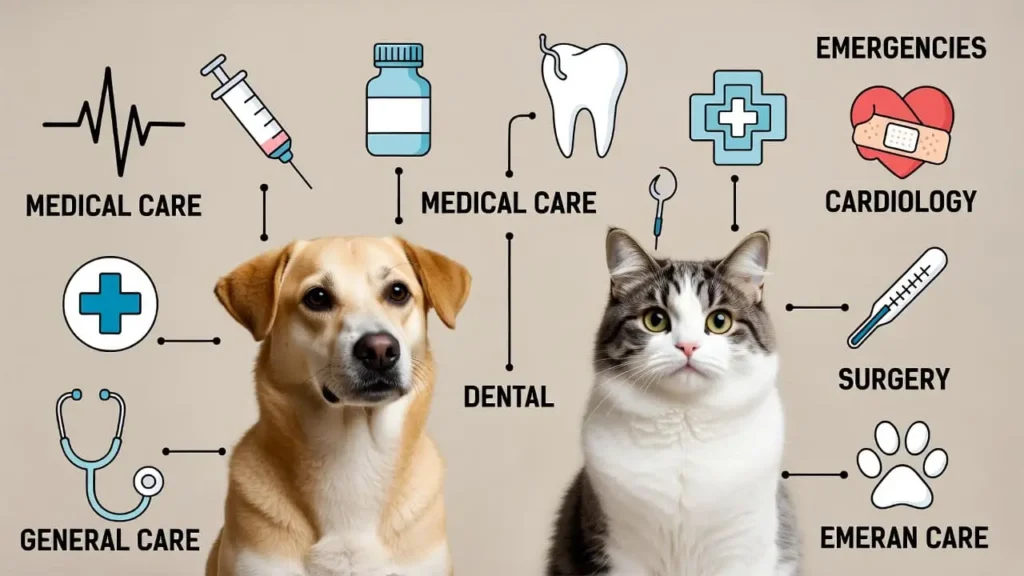
In 2026 pet insurance, which offers full coverage for all eventualities, is unavailable. However, comprehensive quality protection is available.
Excellent insurance plans are based on principles of transparency, integrity, and helping you protect against unexpected expenses — not completely removing all expenses. By choosing a qualified, experienced provider, applying early and carefully customizing coverage tailored to your individual needs, you will achieve a significant degree of the ‘everything’ concept when purchasing insurance for a pet.
Pet Insurance is not the concept of achieving ‘perfection’ but rather being ‘prepared’.
Trusted External Resources
To ensure accuracy, transparency, and up-to-date information, this guide references trusted U.S.-based veterinary and consumer protection organizations. These sources help pet owners understand how pet insurance works beyond marketing claims.
-
American Veterinary Medical Association (AVMA) – Pet Insurance Guide
Official guidance from licensed veterinarians explaining coverage basics, exclusions, and claim expectations. -
Consumer Reports – Pet Insurance Reviews
Independent evaluations comparing pet insurance companies, pricing models, and consumer experiences. -
ASPCA – Understanding Pet Insurance
Nonprofit resource explaining what pet insurance covers, common limitations, and policy terminology. -
North American Pet Health Insurance Association (NAPHIA)
Industry-backed data on pet insurance standards, market trends, and consumer education. -
PetMD – Vet-Reviewed Pet Insurance Overview
Veterinarian-reviewed explanations covering reimbursement models and real-world policy usage.
Editorial note: Referencing medically and financially authoritative sources improves accuracy and helps pet owners make informed decisions based on facts rather than assumptions.
If you are eagerly about our mission, go to our site about us, to understand what drives us. Are help or questions required about our plans? Arrived at any time through our contact page – our team always helps. We also recommend reviewing our privacy rules and terms of use for how we handle your data and ensure transparency. Consider switching or starting fresh with coverage? Start by receiving a personal free offer today. Each link above is designed to guide you for smart pet insurance decisions. Because when it comes to taking care of your pets, the details mean something – and we have made sure they are all covered.
📅 Last Updated:
✅ Verified by: John Smith, Pet Insurance Specialist

About the Author 📚
M. Nouman is a dedicated pet insurance researcher with over 7 years of experience helping U.S. pet parents find affordable, trusted coverage. Working closely with veterinary professionals, Nouman ensures that every article on PetCoverUSA is accurate, reliable, and backed by real data.