
Is Pet Insurance Worth It in 2026? A Comprehensive Review | Pet Insurance Guides and Reviews 2026
Bringing joy, companionship & unrelenting love from your pet is wonderful, but there are lots of responsibilities required for keeping up with their healthcare, especially considering the significant increase in veterinary costs in the past ten years. One common question that many pet owners have in the year 2026 is whether or not the cost of pet insurance is really worth it. This article will outline the reasons why you should purchase pet insurance, provide expert opinions and offer real-life examples and resources that will allow you to evaluate if you want to buy pet insurance.

Why You Should Have Pet Insurance
Emergencies do happen – animals can be injured or become ill at any moment, so it’s important to be prepared for an unexpected emergency. According to veterinary experts, one-third of pets will need to see a veterinarian for emergency services at least once per year and many treatments can cost over $1500. Some serious medical conditions can cost up to $7000 or more (e.g. cancer treatment, surgery, or special diagnostics).
To illustrate this idea, consider the example of a Labrador Retriever that has to have emergency surgery after eating an object that it should not have eaten. If that Labrador’s owner does not have pet insurance, the owner could end up paying out-of-pocket for a $4500 surgery. If the owner has purchased pet insurance, they would receive most of their money back, allowing them to obtain care for their dog without financial stress.
According to one of the pet owners that I talked to in Chicago:
“Having insurance for my pet has drastically changed the way I respond to emergency situations. Now, I will never think twice about doing treatment for my pet if it is going to cost a lot of money.”
Pet insurance is not just a financial tool—it’s a way to ensure your furry family members get care promptly and without compromise.
Rising Veterinary Costs
The cost of veterinary care in the United States continues to increase dramatically. The costs of urban veterinary services rose approximately 8% between 2023 and 2024. Many everyday and routine procedures in veterinary care now include advanced imaging technologies, multiple specialists working together, and multiple people assisting with surgery.
For example, a common procedure for repairing a torn ligament in the 1990s typically cost approximately $2,000 compared to over $10,000 today for the procedure, diagnostics and recovery care.
Pet insurance can help to share the financial risk across a larger number of people through larger monthly premiums (for predictable monthly costs) when there is significant uncertainty associated with an animal’s wellness.
Key Benefits of Pet Insurance
Financial Security During Emergencies
Visits to the vet can be stressful, both emotionally and financially. With pet insurance, you don’t have to worry about how much you’ll have to pay out of pocket, freeing you up to make decisions that promote the health of your pet.
A real-life example:
Max, a Golden Retriever, developed bloat (a life-threatening condition) one late evening. The combination of the emergency surgery and hospitalization cost $9,000. Because Max had pet insurance, his owner only had to pay $2,000, which included the deductible and his previous premium payments.
Encourages Preventive and Routine Care
Also, pets that have insurance are more likely to go to the vet for regular check-ups. The earlier you catch a problem (like kidney disease, dental infection, or small tumor), the easier it will be to treat and the cheaper it will be too, not to mention it will increase the chances of successful treatment.
“Having insurance changed the way I care for my cat, and we were able to treat her kidney problems before they got critical,” said an Austin pet owner.
Access to Advanced Treatments
With pet insurance, you don’t have to hesitate to get advanced diagnostic tests or specialty treatments (like MRI, Chemo or orthopedic surgery) because of the financial burden.
Reduces Long-Term Expenses
A good pet insurance plan can help protect you from the cumulative costs of veterinary bills over the lifetime of your pet. Chronic conditions, such as diabetes, heart disease, or hereditary conditions in certain breeds, can be costly, and pet insurance can help you plan for the costs associated with treating these long-term conditions.
What Pet Insurance Covers
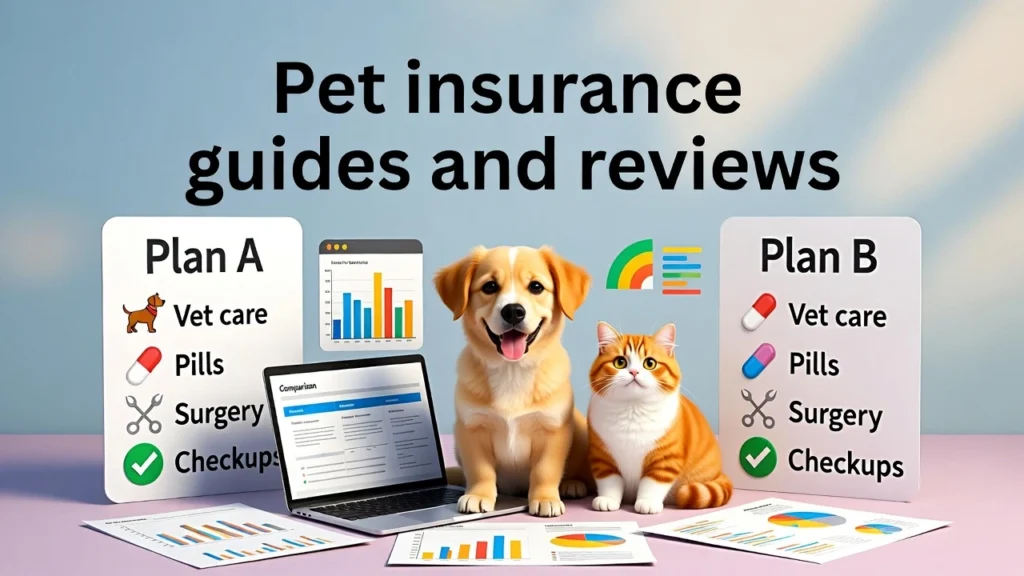
Coverage options vary by provider but most plans that provide comprehensive coverage will cover:
Core Coverage
- Accidents and Injuries: Fractures, swallowed objects, and bite wounds.
- Illnesses: Allergies, infections, and gastrointestinal disorders.
- Chronic Conditions: Arthritis, diabetes, and heart disease.
- Congenital or Hereditary Disorders.
- Cancer Treatment.
- Surgeries and Hospital Stays.
- Diagnostics: Testing and imaging.
- Prescriptions.
- Fees for Emergency Exams.
Optional Coverage
- Alternative Therapies: Acupuncture, physical therapy, etc.
- Behavioral Therapy.
- Lost Pet Recovery and Reward.
- End-of-Life Care: Euthanasia and cremation.
Exclusions:
- Preexisting conditions.
- Routine Care: Routine care (vaccinations, dental cleanings, spaying/neutering) unless an additional wellness plan is added.
- Cosmetic/Elective Procedures.
- Boarding, Daycare, or Personal Liability.
Pro Tip: If you want to protect against having to pay for preventative care, then consider an additional wellness plan.
Real-Life Examples
Case 1: Chewed Electrical Cord
A small dog severely injured himself while chewing through a live electrical cord and required a hospital stay to recover. The cost to the owner was $3,200 and the owner’s pet insurance paid 80% of that cost causing much less out-of-pocket cost.
Case 2: Parvo in Puppies
Parvo is virus that can be fatal to puppies if not treated and is treatable if caught early and the cost can vary from $1,000 to $7,500 based on the type of care needed and location. With insurance, the owner will get their puppy the proper care without the hesitation of how the owner could pay for the care.
Case 3: Breed-Specific Risk Management
There are many common health concerns that different breeds have. For example, Large breed dogs often suffer from hip dysplasia; whereas some smaller-sized dog breeds have a higher risk of developing heart or kidney disease. Breed-specific pet insurance will include specific coverages that provide you with financial security for those issues.

Cost of Pet Insurance in 2026
Average monthly premiums are expected to be:
- Dogs – $55 – $60
- Cats – $30 – $35
Costs of the insurance policy will depend upon the following factors:
- Your pet’s AGE and BREED
- Location and veterinary costs in that area
- Type of coverages (accident only or comprehensive)
- Deductibles and reimbursement amounts
Many companies are adopting pet insurance as a part of their employee benefits and the plan is designed to lower employee premiums. Some of the hi-tech companies are providing employees with a yearly stipend for pet healthcare and insurance.
Alternatives to Pet Insurance
If you do not want to purchase pet insurance, here are some alternatives:
- Set aside the money to establish an emergency account for veterinary expenses
- Crowdfunding to fund your pet’s veterinary bills
- Using a vet financing company to help pay for your pet’s emergency care
- Family or friends may be able to lend you money to provide emergency care
- Pet healthcare grants provided by charitable organizations
While these alternatives may assist you, they will not provide the stability or guaranteed payment that pet insurance provides in catastrophic emergency situations.
Choosing the Right Plan
When looking for a good veterinary insurance policy for your pet, you can evaluate the health risk of his or her breed and divide healthcare into different categories. Health care costs (premiums) can be budgeted per year and compared between many different companies. Ensure that your health plan has coverage limits, exclusions and waiting periods. You can also adjust custom deductibles and reimbursement options to personalize your policy to fit your needs. You may want to add wellness coverage for preventative care.
Note: Most health insurance companies have waiting periods for coverage/benefits based on your pet’s age, breed or number of pre-existing conditions. Knowing that your pet’s breed has a longer waiting period will keep you from being surprised when you file a claim.
When Pet Insurance Is Most Valuable
1) Young and healthy pets with no previous medical conditions
2) Breeds that are genetically predisposed to certain health issues
3) Pets who are at high risk for injury or chronic illness
4) Families who want to plan for emergencies, instead of worrying about finances.
Having pet insurance for older pets (who also have many pre-existing conditions) might not be as cost-effective; instead of insuring your pet as a whole, you may choose a savings account or specific emergency care coverage.

FAQ’s About Pet Insurance Guides and Reviews 2026
Is pet insurance worth it for indoor cats?
Yes. Even indoor cats face health risks such as dental disease, accidental poisoning, and urinary issues. Pet insurance helps cover unexpected medical expenses and encourages regular veterinary care.
Is pet insurance a good option for older dogs?
It can be beneficial depending on your dog’s health history. Older dogs are more likely to develop chronic illnesses or cancer, so coverage may reduce large treatment costs if no major pre-existing conditions exist.
Do all veterinarians accept pet insurance?
Most pet insurance plans work on a reimbursement model, meaning you can visit any licensed veterinary clinic and submit the bill for reimbursement afterward.
What does pet insurance usually not cover?
Standard policies typically exclude pre-existing conditions, cosmetic procedures, and routine wellness services unless a wellness add-on is included in the policy.
When is pet insurance not worth the cost?
Insurance may offer less value if a pet already has multiple pre-existing health conditions or if the owner prefers to self-fund veterinary expenses through savings.
How much does pet insurance cost in 2026?
Average monthly premiums range from $55–$60 for dogs and $30–$35 for cats, depending on breed, age, location, and selected coverage options.
Can pet insurance help during emergencies?
Yes. Most comprehensive plans reimburse a large percentage of emergency treatment costs, helping pet owners approve necessary care without financial delay.
Expert Verdict
In 2026 pet insurance will be a huge financial investment for the majority of pet owners. Increased Veterinary expenses, the frequency of emergency treatments along with the dangers associated with specific breeds make pet insurance greatly needed. With the correct plan in place, pet insurance will give peace of mind to the owner while allowing them to afford the costs of advanced veterinary care.
“As a pet owner you will have peace of mind that your decisions will be made for what is best for your pet and not based on financial considerations. For many pet owners, insuring their pet is one of the most important decisions they have made,” says Dr. Sophia Greene, DVM.
Conclusion
Investing in a pet insurance policy doesn’t only mean saving money; it also means providing the necessary care to ensure your pet stays healthy regardless of the type or frequency of required veterinary visits. Whether it is having a routine wellness examination or having an emergency situation occur there will be unexpected costs; having a policy to assist you with these expenses will assist you in taking care of your pet.
By selecting a policy that will be appropriate for your pet as well as for your financial situation you will be able to enjoy the peace of mind knowing that financial issues will not dictate whether or not you will be able to provide your pet with proper care.
- Federal Trade Commission (FTC) – Consumer protection and online safety guidance.
- USA.gov – Official U.S. government information and public resources.
- National Institutes of Health (NIH) – Research-based health information.
- Consumer Reports – Independent product reviews and buying guides.
- Better Business Bureau (BBB) – Business credibility and consumer trust resources.
Explore our expert-reviewed pet insurance resources to compare coverage, pricing, waiting periods, and benefits across leading providers in the USA.
- Lemonade Pet Insurance Review 2026 – Detailed breakdown of coverage options, pricing structure, and whether Lemonade is worth it for modern pet owners.
- Embrace Pet Insurance Review 2026 – Compare reimbursement rates, wellness add-ons, and real pros and cons before choosing a plan.
- Pumpkin Pet Insurance Review 2026 – Coverage analysis including preventive care benefits, claim process, and limitations explained.
- ASPCA Pet Insurance Coverage & Pricing Guide – Learn about plan flexibility, reimbursement options, and suitability for dogs and cats.
- Nationwide Pet Insurance Guide – Complete overview of plans, benefits, and cost expectations from one of the oldest pet insurers.
- Pet Insurance With No Waiting Period (USA) – Discover providers offering faster coverage activation and emergency protection options.
- Affordable Pet Insurance Plans for Dogs & Cats 2026 – Budget-friendly insurance comparisons designed for cost-conscious pet owners.
- Pet Insurance for Pre-Existing Conditions – Understand eligibility rules, limitations, and alternative coverage strategies.
- Best Pet Insurance for Emergency Vet Visits – Compare plans that provide strong emergency and accident protection.
- Best Pet Insurance for Older Dogs 2026 – Senior pet coverage comparison including age limits, premiums, and claim flexibility.
📅 Last Updated:
✅ Verified by: John Smith, Pet Insurance Specialist

About the Author
M. Nouman is a pet insurance researcher with over seven years of experience reviewing U.S. pet insurance policies, coverage rules, and claim practices. His work focuses on turning complex insurance terms into clear, practical guidance so pet owners can make informed decisions without relying on promotional claims.
You can find his research-based answers on Quora and connect professionally on LinkedIn.