
How to Train Your Dog 2026: A Complete, Expert Guide
One of the best parts of being a dog owner is the opportunity to train your dog. A trained dog is a safer dog, more confident, and it’s easier for us all to live with and enjoy our time together. In 2026 dog ownership continues to grow in the U.S., and as living space in urban and suburban areas becomes more congested, responsible training of our pet dogs becomes increasingly important. According to the American Pet Products Association, over 70% of households own a dog. Dog owners expect their dogs to be well-behaved in public. In addition to helping improve our dog’s obedience, proper training also supports their mental health and overall well-being.
Dog owners can train their dogs regardless of age, which means it is very important for them to learn about how their dogs learn (different ways, tools, strategies) and how to prevent common mistakes. This guide provides years of professional experience, which includes everything from basic commands and skills, to real-world applications and examples, to the most recent trends in training technology.

How Dogs Learn
While dogs are intelligent animals, they do not have the same learning style as humans. An understanding of dog learning principles is critical to effective training. At its essence, dog training consists of teaching your dog to understand that certain behaviors result in positive reinforcement.
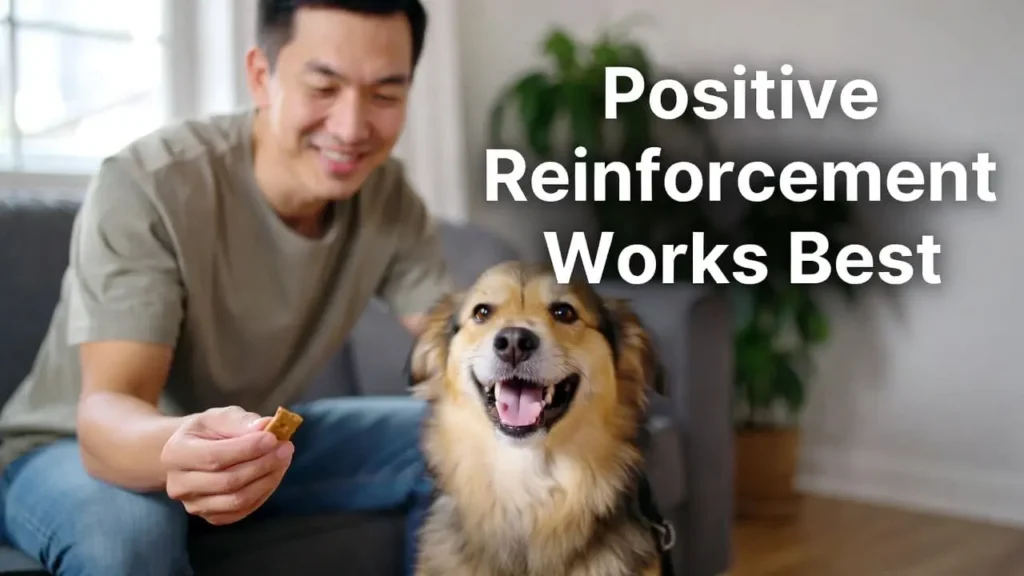
The most effective way to train a dog is through the use of positive reinforcement. Positive reinforcement involves rewarding your dog for correct behavior in order to encourage that behavior to happen again; examples of rewards include food, toys, praise or play. Timing is essential; the reward must take place immediately after the desired behavior has occurred in order for your dog to connect the behavior to the reward. Repetition and consistency build on learning, whereas inconsistencies will create confusion and inhibit learning and progress.
An example of timing and reinforcement of behavior is you request that your dog sit, and once he does so, you immediately reward him. He then knows that when he sits, he will receive a positive reward. If the reward was given after several minutes, or was given inconsistently, your dog would not know that his behavior (sitting) was associated with receiving a reward.
Markers (words or clicking devices that indicate correct behavior) and lures (food or toys used to direct your dog into a desired position) are also important tools in training. You should not use punishment as a method of training, as this will cause fear and anxiety and will subsequently decrease your dog’s ability to learn through positive reinforcement.
Getting Started with Training
Before you start teaching commands, you’ll need the right tools and environment. Having a consistent setup helps your dog focus and understand expectations.
Essential tools include:
- Flat collar or martingale collar
- Body-safe harness
- 4–6 foot leash
- High-value, small treats
- Optional clicker for marking behavior
- Treat pouch for easy access during training
To begin training your dog, find a quiet place where you can train without distractions. The training sessions can be short (5-15 minutes) and preferably happen 2-3 times a day. Dogs (especially puppies) have very short attention spans, so short frequent training sessions will be more effective than long infrequent training sessions.
The other important thing to remember while training your dog is motivation. All dogs are motivated by different things, but you should always reward your dog with what he/she wants most (some dogs prefer food, while others prefer to play with a toy or get praise from you). If you are rewarding your dog with what they want, they will be more engaged and learn faster.
Basic Commands Every Dog Should Learn

Teaching basic obedience provides the foundation for advanced skills and good behavior. Focus on the following:
Sit:
Place a treat close to the dog’s nose and then slowly move it up and over the dog’s head. As your dog’s rear starts to lower, use the cue “sit”, mark the behavior, and reward your dog. Practice this repeatedly during several short training sessions. The more you stay consistent, the easier it will be to correct common problems like jumping when you are using a lure/timing (for example; you may need to slightly adjust your lure or timing).
Stay:
While seated, extend a palm-out hand toward your dog, saying “stay.” Then, take a step away from them and reward them for staying put. Continue increasing both distance from and time spent from them in this way, starting at only seconds and in the smallest possible space so as to avoid causing frustration.
Come (Recall):
Inside, start with your dog’s name and ‘come’ command and praise as soon as they come to you. Next, begin to add smaller distractions and then move to outside with an eventual plan for a recall using positive reinforcement from your dog. If you are going to use the recall command as punishment, the recall will not be positive and therefore will not be reliable.
Leave It:
Keep your dog safe from harmful things by rewarding them for not touching things they shouldn’t. When you see something the dog should not go after, show them the treat (reward) you are going to give them saying “leave it”, then make a fist & give them something else (another reward) for no longer looking at what they should not have.
The key to success is consistent, short training sessions, and being clear with your rewards, which has proven, through research, will lead to the dog responding to this activity better in a highly distracted environment.
Advanced Skills and Real-World Behavior
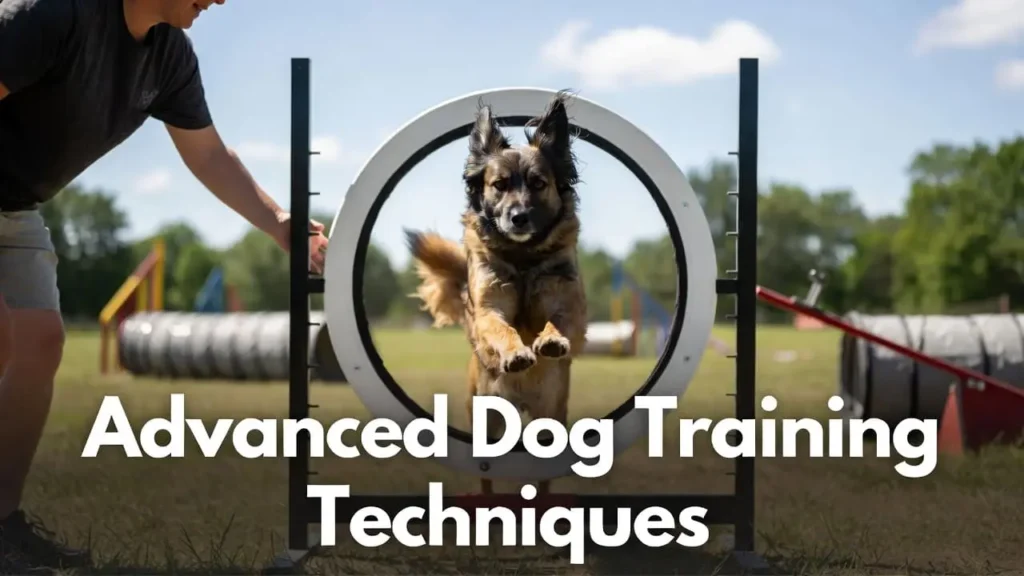
Once basic obedience is solid, advanced behaviors enhance your dog’s safety and social skills.
Loose Leash Walking:
A dog’s pulling typically results from excess excitement. To stop your dog from pulling, stop moving whenever there’s tension or tightness in the leash; reward your dog when the leash is loose/slack. You can also create various directions to help keep the dog’s interest in you. A front-clip harness will help, but only if you maintain the same technique. One example of this is my successfully training an aggressive pulling Siberian Husky to walk comfortably on the leash in only two weeks, by using this technique!
Socialization:
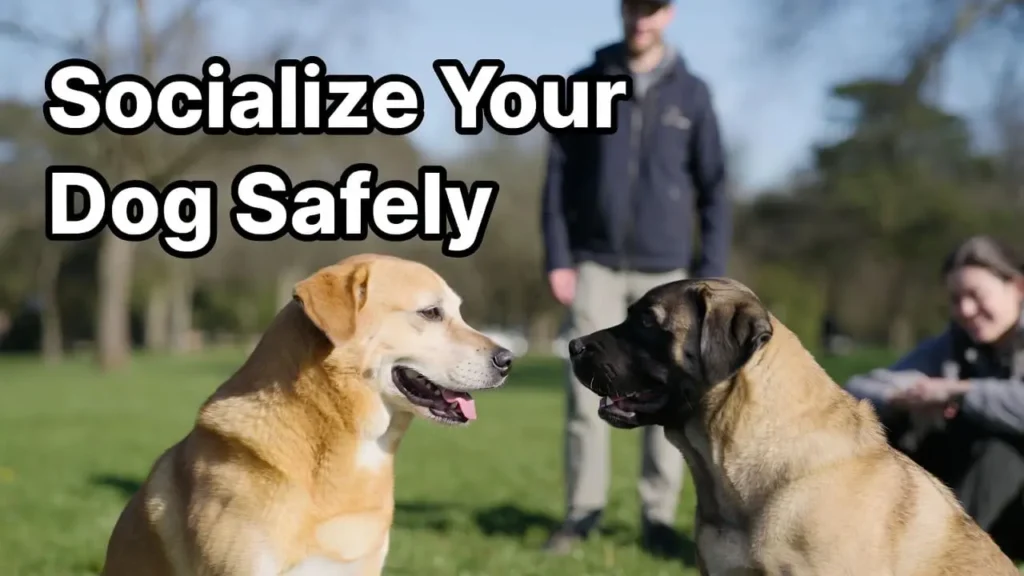
It is essential to introduce dogs to new people, dogs, and different environments. A positive and controlled introduction will help to prevent fear of new experiences and reactivity to those experiences. In 2026, the trend for group socialization classes for dogs offers structured exposure to a variety of different environments.
Environmental Training:
As more and more people own dogs, there is a growing need for owners to train their animals to be able to cope with noise, crowds and the other stimuli found in an urban environment. The use of gradual exposure along with treats and verbal praise can help dogs to remain confident in public places.
Common Training Challenges and Solutions
Even experienced dog owners encounter obstacles. Understanding common issues and addressing them correctly is key.
Distraction Issues:
When there is too much activity around your dog, he may not respond to commands. Use Greater Rewards/Repeats, practice in small steps and slowly introduce distractions, to create better focus.
Jumping on Guests:
Jumping can be a way for dogs to get your attention, so redirect your dog to ‘sit’ and reward him for that behavior. Avoid reinforcing the jumping behavior by making sure that your guests do not accidentally reward him when he is jumping.
Excessive Barking:
Boredom and anxiety are often the causes of this behavior. To help eliminate this behavior you should identify triggers, provide greater mental and physical stimulation and use redirection commands such as “sit” or “look”. Providing structured play and regular exercise can help tremendously.
Inconsistency:
When family members use different verbal commands you may confuse your dog. It’s best to agree upon one command for each specific behavior so that there are consistent expectations from each family member.
Training Plans and Schedules
Consistency matters more than intensity. Short, regular sessions are more effective than infrequent, long ones. A sample weekly plan:
| Day | Focus | Goal |
|---|---|---|
| Mon | Sit & Stay | 10 reps each |
| Tue | Recall | Indoor practice |
| Wed | Sit, Stay, Come | Mild distractions |
| Thu | Loose Leash | Yard walks |
| Fri | Leave It | 10 reps |
| Sat | Socialization | Controlled group meet |
| Sun | Review | Reinforce all skills |
Tracking progress through journals or apps can help identify patterns and celebrate small successes.
Technology and Classes in 2026
Training methods now integrate technology:
Apps & Online Platforms:
Dogo and Pupford are both available as apps that have lesson plans, tracking abilities, and tutorial-style lessons. You can use them to supplement your in-person training by providing greater ease and flexibility.
Wearables:
Smart collars will track your dog’s activity level as well as keep tabs on any anxiety-related activity so that you can better understand your dog’s normal behavior. By utilizing remote treat dispensers, you will be able reinforce your dog’s training even while you’re not there.
In-Person Classes:
Group classes remain valuable for socialization and real-time feedback. Many owners combine online and in-person methods for optimal results.
External Reference:
For further guidance on dog training apps, visit American Kennel Club Technology Guide.
FAQ’s About How to Train Your Dog 2026
How long does it take to train a dog?
Basic obedience typically takes a few weeks with daily practice; mastery takes months.
When should training start?
Puppies can start at 8 weeks. Short, frequent sessions work best.
Is positive reinforcement better than punishment?
Yes. It encourages repeatable behavior and builds trust.
How do I stop leash pulling?
Reward slack leash, stop walking when tension occurs, use consistent direction changes.
What if my dog won’t eat treats?
Try high-value alternatives like chicken, cheese, or toys.
Can older dogs learn new tricks?
Yes, with patience, motivation, and consistent reinforcement.
How important is socialization?
Essential. Well-socialized dogs are confident and adaptable.
How often should I train?
10–15 minutes per session, 2–3 times daily is ideal.
Where can I find professional help?
Certified trainers through APDT or local pet stores are reliable options.
Conclusion
Dog training is an adventure bringing forth better communications, trust and total well-being for both you and your dog. Teach your dog several basic commands and gradually introduce more advanced techniques until you can reinforce behaviour in a variety of places. Use positive reinforcement, keep your training sessions short and allow for cultural differences. Use technology as an aid instead of a substitute and avoid using punishment, confusion, haste, stringent standards and negative behaviour when training your dog.
Through your commitment to maintaining an active interest in the process, providing structured training sessions, having an active celebration to encourage and reward success and encouraging the development of your dogs’ confidence will provide you both with a desirable and dependable relationship. Training is not just a matter of obedience; it is about creating and sustaining an everlasting bond between you and your dog.
Take the first step today and select a command to work on, set up daily training periods and enjoy the achievements of being the proud owner of a happy and aesthetically pleasing dog.
Trusted External Resources for Dog Training
These authoritative sources provide reliable guidance on dog training, behavior, and care to complement your learning journey.
-
American Kennel Club (AKC)
Comprehensive guides on dog breeds, training tips, and expert behavior advice trusted by dog owners nationwide.
-
Association of Professional Dog Trainers (APDT)
Directory of certified trainers and resources for learning advanced dog training techniques using positive reinforcement.
-
ASPCA – Dog Care & Training
Trusted nonprofit offering guidance on dog behavior, training, socialization, and overall health.
-
PetMD – Dog Training & Behavior
Veterinary-reviewed guides covering basic and advanced dog training, behavioral issues, and health considerations.
-
Humane Society – Dog Behavior & Training
Nonprofit-backed tips on safe, positive reinforcement training methods and socialization strategies.
-
The Spruce Pets – Dog Training Tips
Practical, easy-to-follow dog training tutorials and guides suitable for beginners and advanced owners.
Related Topics You Might Find Useful
Explore these expert guides and tips to complement your dog training journey and take care of your furry friend effectively.
-
Best Dog Dental Cleaning Tips at Home & Professional
Discover proven methods to keep your dog’s teeth clean and healthy, including at-home care and professional guidance.
-
Best Natural Dog Shampoo for Sensitive Skin in USA
Explore safe and effective natural shampoos that protect sensitive skin while keeping your dog’s coat clean and shiny.
-
Top 10 Dog Dental Care Tips for Healthy Teeth
Learn the essential daily and weekly routines that ensure strong teeth and fresh breath for your furry companion.
-
Stop Your Puppy from Crying in the Crate at Night
Follow expert strategies to help your puppy feel comfortable and sleep peacefully in the crate overnight.
-
How to Take Care of a Puppy at Home for Beginners
A complete guide for new puppy parents covering feeding, hygiene, training, and essential daily care tips.
📅 Last Updated:
✅ Reviewed & Verified by: M. Nouman, Pet Care Researcher
📖 This article on How to Train Your Dog 2026: Step-by-Step Guide for Puppy & Adult Dogs provides expert tips on basic commands, advanced training, and positive reinforcement methods. Perfect for both puppies and adult dogs. Read the full guide here.

About the Author 📚
M. Nouman is a dedicated pet insurance researcher with over 7 years of experience helping U.S. pet parents find affordable, trusted coverage. Working closely with veterinary professionals, Nouman ensures that every article on PetCoverUSA is accurate, reliable, and backed by real data.