
Can Fully Vaccinated Dogs Still Get Parvo? (Vet-Approved Guide 2026)
Last month, Sarah brought her four-month-old Golden Retriever puppy to an emergency vet clinic. The veterinarian diagnosed her puppy with parvo, which was a shock since her puppy had been fully vaccinated.
“I did everything correctly,” Sarah sobbed. “He received all of his vaccinations. How could this happen?” As you read this, you might have the same question that Sarah did. Maybe your dog tested positive for parvo after being vaccinated, or perhaps you are simply concerned about parvo illness.
The answer is that, although it is very rare, it is possible for fully vaccinated dogs to become infected with parvovirus. Therefore, you are not alone; any dog that has been vaccinated against parvo is still at risk for contracting the disease.
In this article, I will discuss what causes the parvovirus, how to identify early signs of parvo illness, and what steps you can take in order to protect your dog from becoming sick. If your dog has already contracted a parvo infection or if you are interested in preventing your dog from becoming ill, you will find useful advice and steps within this article.

Can Vaccinated Dogs Still Get Parvo? The Truth
The short answer: Yes, vaccinated dogs can still get parvo—but it’s uncommon. According to according to the American Veterinary Medical Association research indicates that 5-10% of dog parvo cases occur in vaccinated dogs. This indicates that an estimated 10-20% of vaccinated puppies will contract the disease, however, these odds are still on your side.
The parvo vaccine is similar to a seat belt — both save lives and usually work, but neither is a miracle cure. Vaccines take time for a puppy’s immune system to respond, and each puppy has an inner ability to create immunity; just like students taking a test, some learn best with only a few repetitions of study while others require additional time.
In addition, puppies receive antibodies through the colostrum found in their mother’s milk; while colostrum provides protection, it also inhibits the proper effectiveness of the vaccine through a process called ‘passive transfer of antibodies.’
The most significant factor with parvo is the virulence and resistance of the parvo virus; it can survive for an extended period in soil, often referred to as “the parvo virus may survive”. Even though a puppy is vaccinated, a small amount of the virus can make its way into the puppy through direct contact with potentially infected soil or places where an infected dog pooped three days before. If a puppy were to be exposed to an area where an infected dog had been and then sniff it, the puppy would have to fight it off; unfortunately for many puppies, especially young ones, the parvo virus may defeat their immune system.
Here’s the good news:
Vaccine-protected dogs often experience less severe symptoms and a quicker recovery than dogs that have not been vaccinated. The survival rate for vaccine-protected puppies is over 90%, while the survival rate for unvaccinated puppies is approximately 50%. This is a significant difference.
Essentially, vaccination is an excellent way to prevent your dog’s chances of getting parvo from occurring; however, it does not completely eliminate the risk. Understanding alternate forms of protection is very important, which will be discussed in the next section of this article.
Why Vaccination Fails (5 Main Reasons)
Sometimes vaccines don’t work as planned. It looks frustrating, but understanding why helps you protect your dog better. Here are the five main reasons:
Incomplete Vaccination Schedule
Your puppy requires several parvo shots instead of just receiving a single vaccination from your veterinarian. The majority of veterinarians administer three to four vaccinations at scheduled ages starting from six weeks of age to sixteen weeks of age. If you miss any of these vaccinations for your puppy, your puppy will not have complete protection against this disease. It’s similar to constructing a wall; if you leave out any bricks there will be gaps that the parvo virus can utilize to enter your puppy.
In addition, while many people have busy life schedules, and miss appointments, missing an appointment creates a gap that the parvo virus can take advantage of and create life-threatening disease. Even just one week of missed vaccinations is significant when you consider the ‘critical’ time period when puppies are most susceptible to contracting diseases.
Maternal Antibody Interference (The Puppy Problem)
It can be difficult to understand how maternal antibodies transfer from dogs to puppies and protect them from illnesses, such as parvovirus. While maternal antibodies provide great protection, they also may interfere with the immune response from vaccines because the puppy would believe that it has already built immunity due to the presence of maternal antibodies, thereby not producing any response to the vaccine. Moreover, dogs lose their maternal antibodies anywhere from 8–14 weeks of age, creating a potentially dangerous time for the puppy before he or she is fully vaccinated.
Therefore, veterinarians give puppies multiple vaccinations in an attempt to catch the puppy as the level of maternal antibodies is declining, but before there’s a potential chance for exposure to the virus.
Immune System Issues
Dogs with lower immune systems and who are not as likely to respond positively to vaccinations, are not limited to one cause. Possible causes include pre-existing medical conditions (e.g. genetic defect), environmental factors (e.g. stress or dietary deficiencies) and psychological factors (e.g. rehoming).
To illustrate, a dog receiving a vaccination is like a student receiving instruction from a teacher. If a student receives no instruction (i.e. they are sick, stressed, travelling to a new home), the student will not retain what has been taught.
Vaccine Storage and Handling Problems
Immunizations are fragile. They must be kept within a limited temperature range (35 to 45 degrees Fahrenheit). When vaccines experience temperature extremes (hot or cold) during transport and/or when stored at your Veterinarian’s office, the vaccines became ineffective due to temperature extremes. You cannot see the effects of improper storage; however, it does not work. It is similar to milk that has been left out of your refrigerator—visually appears normal. however, the milk is spoiled.
Sadly, this happens more frequently than most people think, especially for mobile veterinarian services and veterinary clinics whose equipment malfunctions regularly. Select trustworthy veterinarians who utilize appropriate storage protocols for their vaccines.
New Parvo Strains
Like the flu, parvo virus will mutate. Current vaccines protect against the most prevalent strain types (CPV-2 CPV- 2A; CPV-2B; CPV-2C), although now and then a new variant emerges, and even though current vaccines can provide a degree of protection against them, they won’t always provide complete protection (100% effectiveness). There are very infrequently instances of new variants that have been confirmed by researchers; however, vaccines are continually being updated as a result of these virus mutations or emerging variant strains.
The takeaway? Understanding these weaknesses will assist you in asking your veterinarian the appropriate questions as well as being more cautious about the increased risk periods. With sufficient time frame, excellent quality of animal care, and some added watchfulness, most vaccination failures can be avoided.
Symptoms in Vaccinated Dogs: What to Watch For
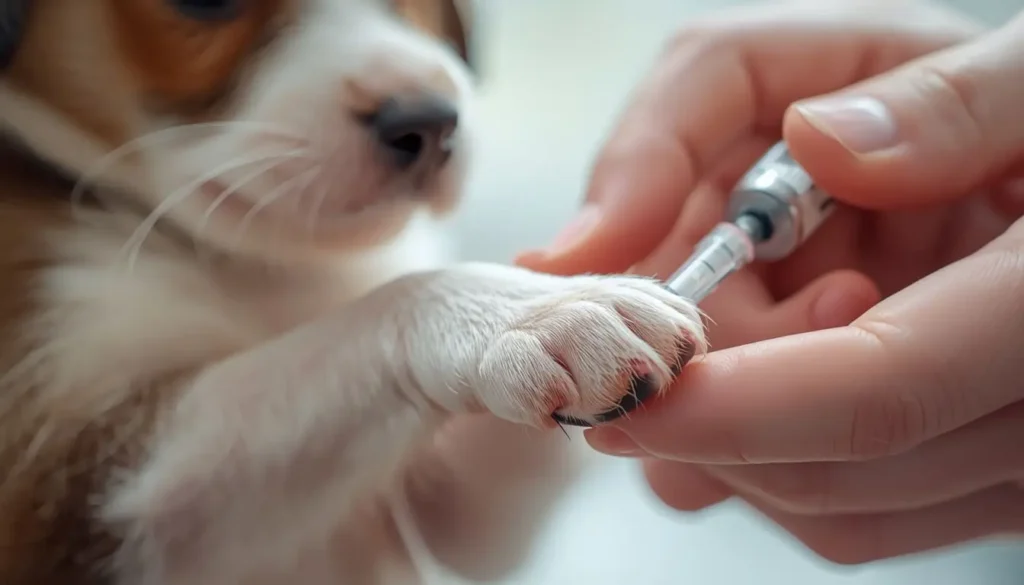
What is the fundamental difference? Vaccinated dogs that develop parvovirus will experience fewer symptoms than unvaccinated dogs, however “fewer” does not mean that waiting until the dog recovers is an option.
Typically, unvaccinated dogs with parvovirus will have lots of blood in their diarrhea, vomit a great deal, become extremely tired, have very high fevers, and could be on their last legs within 24 – 48 hours of developing symptoms. It is reported that unvaccinated dogs have approximately a 50% survival rate. On the other hand, vaccinated dogs that contract parvovirus will usually experience moderate diarrhea, occasional vomiting, have a slightly lessened appetite, and will see their symptoms develop over roughly 2 – 4 days. Vaccinated dogs have an increase in estimated 90% chance of survival if treated by a veterinarian.
The issue at hand? On numerous occasions a vaccinated puppy can appear to be suffering from a stomach virus which can lead to a delay in visiting the veterinarian for treatment.
When you notice your dog has either blood in their diarrhea or vomit; refuses to drink any water for more than six hours; becomes very lethargic, or collapses; has pale or gray gums; vomits more than three times within a period of several hours; produces foul smelling diarrhea; or becomes increasingly lethargic – you should contact your veterinarian. Your dog will die from dehydration quicker than it will from the virus.
My simple rule of thumb – If your vaccinated dog has not improved within 24 hours of experiencing any type of digestive upset, call your veterinarian immediately. Avoid the temptation of watching the dog wait three days. Obtaining early treatment for dogs suffering from parvovirus affects the speed and ease of recovery and the battling involved for survival. Go with your gut – if something doesn’t “feel right”, chances are it isn’t.
How to Protect Vaccinated Dogs from Parvo
Even with vaccines, you need extra protection. Here’s exactly what to do.
Home Disinfection Protocol
To eliminate parvovirus from surfaces in your home, you must use a bleach-based disinfectant because the regular household cleaners will not work. Dilute bleach with 30 times as much water (approximately 0.5 cups of bleach to each gallon of water) to create a disinfectant solution. Use the bleach solution to clean any surfaces which your pet has come into contact with (including floors, feeding bowls, toys, etc.), allowing the solution to remain on all surfaces for 10 minutes prior to wiping it off.
If you have a puppy, Centers for Disease Control recommends disinfect your home at least once per week; if you have had a sick dog living with you, disinfect immediately. You can also carry the virus on your shoes; therefore, do not allow any outdoor shoes into your home. Finally, if you are petting another dog prior to visiting your dog, be sure to wash your hands thoroughly.
Safe Socialization Timeline
You should not be taking your puppy to dog parks, pet shops or anywhere public before they are vaccinated. This will most likely be about two weeks after their last shot at sixteen weeks old. Until they are vaccinated, you can socialize them at home, with friends’ dogs that are up to date on vaccinations, in clean and safe environments such as your backyard. You should also avoid taking your puppy to locations that may contain other people’s dogs you do not know.
If possible, carry your puppy instead of allowing them to walk around in any area that is potentially dangerous. I know it can be difficult to wait, but the extra few weeks you spend at home could save your puppy’s life.
High-Risk Areas to Avoid
Avoid dog parks, dog shelters, dog kennels, dog-loving pet stores, Puppy Class using nonvaccinated puppies, commonly walked dog trails and public areas where you see dog faeces left on the ground! Even grass areas in rest areas along interstate highways are dangerous; many sick dogs travelling through will stop to relieve themselves on those grassy areas. If a place is frequently visited by dogs and you cannot confirm their vaccination status, avoid it until your puppy has received its complete vaccination series.
Booster Schedule Importance
Your puppy will need more than just the first vaccinations to stay healthy for their entire life. Dogs also require regular vaccinations (booster shots) throughout their lives, generally every 1 to 3 years, depending on what your veterinarian recommends and what laws exist where you live. Boosters are often forgotten by many dog owners when their dog has matured into an adult.
However, immunity can decline over time, so it’s imperative to keep track of booster appointments and never miss them. Adult dogs are still susceptible to parvovirus, especially around 5-7 years old, as their immune system generally begins to weaken at this point.
Titer Testing Explanation
If you’re unsure how well your dog’s vaccinations are working you should speak to your veterinarian about doing a titer test. A titer test is essentially a simple blood test that determines how many antibodies your dog has developed to protect itself against parvovirus. A high antibody count means your dog has protection; a low antibody count means he will require a booster shot. It’s especially helpful for older dogs or dogs with health problems or if you have just adopted a dog and have no idea of the vaccination history.
The cost of a titer test is typically around $50 – $150 but will bring you peace of mind. In addition, several veterinarians now recommend using titer tests in lieu of giving booster vaccinations every year. To summarize, by vaccinating your dog and being smart about keeping his living conditions clean along with not placing him in unnecessary danger during the critical first couple of months, you can provide the best protection for him!
What If Your Vaccinated Dog Gets Parvo?
Finding out your vaccinated dog has parvo is scary, but don’t panic. Here’s exactly what to do.
Immediate Action Steps
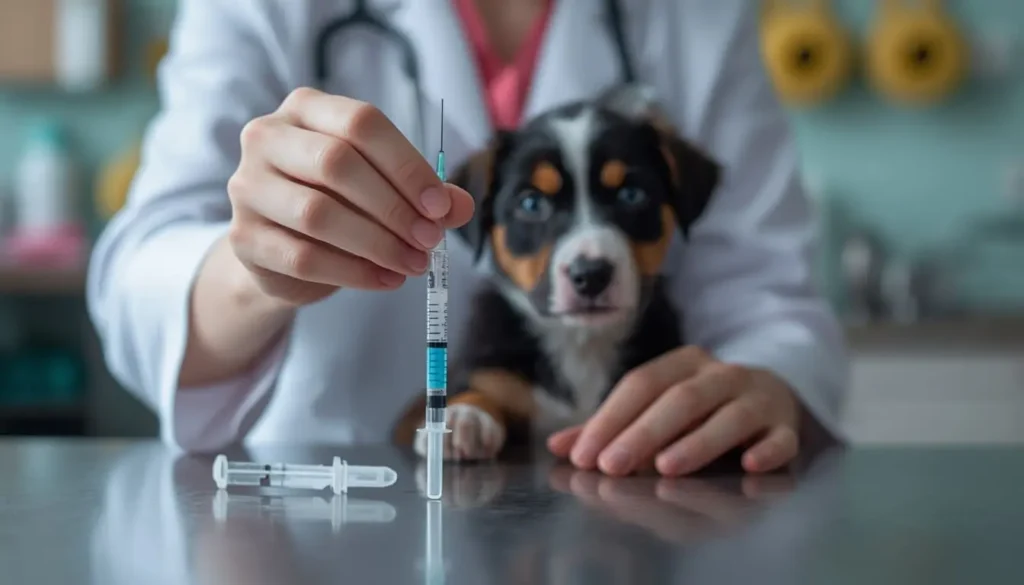
If you suspect parvovirus, immediately contact your veterinarian, rather than waiting until the morning. If it is outside of normal business hours, take your dog to an emergency veterinary clinic for care. Wait for the dog’s condition to improve before seeking veterinarian care. Isolate your dog from other pets by placing them in a separate room and provide them with only a small amount of water after stopping food; do not allow your dog to drink more than one cup at a time, as he may vomit.
Provide liquid in the form of ice chips or small amounts of water to avoid a risk of nausea from excess drinking; intervals of providing water should be every half hour. Refrain from touching other dogs until after thoroughly washing your hands and changing clothing, as the virus spreads quickly from hands and clothes.
Treatment Differences
Vaccinated dogs usually need less intensive treatment than unvaccinated ones. Most require 3-5 days of hospitalization with IV fluids to fight dehydration, anti-nausea medication, antibiotics to prevent secondary infections, and nutritional support. Unvaccinated dogs often need 7-10 days in the hospital with more aggressive treatment including blood transfusions and plasma therapy. Your vaccinated dog’s immune system has a head start, so they respond faster to treatment. Some mild cases in vaccinated dogs can even be treated at home with your vet’s guidance, though hospitalization is usually safer.
Recovery Timeline
Dogs that have been vaccinated will typically begin to show signs of improvement within 48 to 72 hours of receiving treatment. Signs of improvement will include a reduction of vomiting, increased alertness, and an increase in appetite. Dogs can expect to be fully recovered within one to two weeks; however, it will take three to four weeks to completely recover without the benefit of vaccines. After recovering from their illness, dogs will remain weak and require rest after returning home. It is reasonable to expect that most vaccinated dogs will continue to produce soft stools for another one to two weeks while their intestinal tracts continue healing.
While a dog is healing from an illness caused by a contagious disease, it’s recommended that they remain on a bland diet of boiled chicken and rice for a minimum of one week before being transitioned back to their regular food. Vaccinated dogs will continue to be contagious after they recover for a period of up to six weeks, so they should remain isolated from other dogs during this time.
Cost Breakdown (Budget Planning)
Although treating parvo can be fairly expensive compared to other dog illnesses, the majority of dogs that have been vaccinated for parvo can receive treatment at a lower price than unvaccinated dogs. The cost for treating a vaccinated dog typically ranges between $500 – $1,500 and an unvaccinated dog ranges from $1,500 – $5,000. Here is the breakdown of what you’d typically expect to pay: Vet emergency visit and test costs – $150 – $300; hospitalization costs average $200 – $500 per day based on 3-5 days hospitalization; Addition of IV fluids/medications will add an average of $300 – $600; Follow-up visits are typically between $100-$200.
Some emergency clinics offer payment plans and many organizations such as RedRover Relief and The Pet Fund provide financial assistance for emergency veterinary care. Most pet insurance polices will cover parvo treatment if you purchased your policy prior to your dog’s showing symptoms. Be upfront with your veterinarian if cost is an issue, he or she may be able to provide an alternative outpatient treatment option for mild cases although with added risk associated with this option.
The good news is a vaccinated dog has a better than 90% chance of survival if treated appropriately. The vaccine received by your dog is now working in conjunction with the veterinarian’s treatment to save your dog’s life. In the event your dog does get parvo, you may not have had full protection from the vaccine but it is still helping to fight the virus.
Frequently Asked Questions
Is Lemonade pet insurance good for puppies in USA?
Yes, Lemonade pet insurance can be a good option for puppies in the USA. It offers accident and illness coverage, optional wellness plans, and flexible deductibles to fit your budget. Enrolling your puppy early helps protect against future health issues and gives you peace of mind as a first-time pet owner.
Does Lemonade cover pre-existing conditions for puppies?
No, Lemonade does not cover pre-existing conditions. However, curable conditions may be covered if your puppy has been symptom-free for 12 months. Early enrollment is key to avoiding coverage gaps.
How much does Lemonade pet insurance cost for puppies?
Monthly premiums for puppies are generally lower than for older dogs. Costs depend on your puppy’s breed, location, deductible, and reimbursement rate. Lemonade allows you to customize coverage to control how much you pay.
Can I use Lemonade pet insurance with any vet?
Yes, Lemonade pet insurance can be used with any licensed veterinarian in your state. This gives flexibility in choosing a vet that best fits your puppy’s needs.
How fast are claims processed by Lemonade?
Approximately 40% of claims are processed instantly through the app or online portal. More complex claims may take longer, but the process is generally fast compared to traditional providers.
Conclusion
Vaccination will not eliminate the possibility of parvo infection in dogs; however, it does greatly improve a dog’s chance of surviving from 50% without the vaccine to over 90% with the vaccine. There is no such thing as a perfect vaccine, but the best way to protect your dog from parvo is to combine vaccination with other methods of reducing risk. Examples of additional methods that can reduce risk include using proper cleaning techniques, avoiding areas known to carry high risk of parvo exposure, and following a booster schedule.
If your dog begins exhibiting symptoms such as fatigue, vomiting, or diarrhea, you should call your veterinarian immediately. The sooner that treatment is received, the greater the chance of recovery. By keeping your puppy’s vaccination as the most potent form of protection against parvo, you are doing the right thing for your pet by becoming educated and taking action. Your dog is fortunate to have a responsible owner who cares about his/her well-being!
If you are looking for more guide about parvovirus vaccination then these blogs can help you. These blogs links are given below:
Related Topics
- Parvo vaccine side effects in puppies – Learn about common and rare reactions after puppy vaccination and know when to consult a vet.
- Canine parvovirus vaccine cost and safety in the USA – Understand real costs, safety considerations, and what dog owners should expect for their puppies.
- Best pet insurance for first-time dog owners – Explore beginner-friendly insurance plans covering vaccines, emergencies, and routine puppy care.
- Is pet insurance worth it for first-time pet owners? – Honest pros and cons to help new owners decide if insurance is right for their puppy.
- Pet insurance that covers almost everything in 2026 – Discover comprehensive plans covering illnesses, accidents, and preventive care for your furry friend.
📅 Last Updated:
✅ Reviewed & Verified by: M. Nouman, Pet Care Researcher
📖 This article on Can Vaccinated Dogs Still Get Parvo? Vets Explained (2026) explains why vaccinated dogs can rarely get parvo, how strong the risk really is, and what steps you can take to keep your dog safe. Read the full guide here.

About the Author 📚
M. Nouman is a dedicated pet insurance researcher with over 7 years of experience helping U.S. pet parents find affordable, trusted coverage. Working closely with veterinary professionals, Nouman ensures that every article on PetCoverUSA is accurate, reliable, and backed by real data.