
First Time Cat Owner Guide: Mistakes to Avoid
Acquiring Your Very First Cat Is Exciting Yes Indeed It Is Exciting! I Know From My Own Experience As A First-Time Cat Owner That New Cat Owners (Myself Included) Often Make Common Mistakes Without Knowing It. Unfortunately Many Of The Mistakes That New Cat Owners Make Can Lead To Potentially Negative Effects On The Health, Behaviour And Overall Happiness Of Their Cats.
That Is Where This First-Time Cat Owner Guide Comes Into Play. I Want To Help New Cat Owners By Providing Information On The Most Common Mistakes That They Will Likely Make As Well As Solutions For Avoiding Them. We All Want Our Cats To Have A Safe, Comfortable And Stress-Free Home Life From The Very Beginning.
Let’s Get Started! Let’s Make Sure That Both You And Your New Furry Family Member Are Prepared For A Positive Experience!

First Time Cat Owner Guide – Adopting a Cat Without Proper Research
People fall in love with cats based on physical appearance at first sight, and I can understand why that would happen. Many people fall in love with their new cat’s appearance or the immediate connection they feel with it; and I don’t think there’s anything wrong with that!
Unfortunately, however, many times that feeling leads you to adopt a cat that doesn’t fit into your lifestyle. Some cats need tons of playtime and are constantly on the go, while other cats are more laid back and simply enjoy having a comfortable place to relax and be around people.
Some breeds of cats require daily grooming and have certain health requirements that are important to know before bringing home a new pet!
If you don’t take the time to do some research beforehand, you may find yourself feeling overwhelmed and stressed out.Not only is it stressful on you as the owner, but also your cat; and there have even been instances where some people have considered giving their cat away because they could no longer handle the stress of having a pet. That’s just heart-wrenching!
So, do yourself (and your future cat) a favour, and spend some time researching appropriate breeds of cats for your current lifestyle. If you choose a cat that truly works for your lifestyle, you will be much happier as both an owner and a cat!
Feeding the Wrong Diet
First-time cat owners don’t always understand this about cats: They are very selective eaters in respect to what their bodies require. While some cats prefer to eat the most inexpensive cat food available at the grocery store, others are fed treats or the human food they eat because they think, “It is okay.”
The reality is that this is the greatest error that first-time cat owners make. Cat’s require the highest-quality foods with balanced ingredients including high-quality protein, vitamin, and mineral combinations; otherwise, a variety of adverse reactions can develop that can manifest relatively quickly. Any combination of weight gain, gastrointestinal issues, decreased energy levels, and serious health problems could result from poor quality or poor balance of food.
Additionally, there is a difference between kitten food, adult cat food, and senior cat food. For many first-time owners, they will feed the same food type regardless of the age of the respective cats.
I encourage you to take the time to examine the various cat food labels and talk with your veterinarian for the best diet tailored to your cat. A proper diet for a cat is not solely to provide sustenance: it is essential to create a happy, healthy, and active cat, now and throughout the years.
Skipping the First Vet Visit
When you are new to cat ownership, you may think that you don’t need to take your cat to the vet because he/she looks healthy and happy. I understand why people think that way. However, there’s a problem with that way of thinking—cats are incredibly good at hiding sickness and pain, and by the time you notice your cat is sick, it may already have developed a serious condition.
The vet’s first visit is extremely important—it is not just a simple check-up but an opportunity for the veterinarian to administer appropriate vaccinations as well as to examine your cat for fleas and intestinal worm infections, as well as to identify and address any underlying medical issues before they become serious.
Your veterinarian will also provide individualized recommendations on feeding habits, grooming, and day-to-day care based on the age of your cat and the specific health needs of your pet.
If you skip the vet’s first visit, you are only saving yourself a trip today, but in the long run, you are likely to face much more serious (and costly) medical problems. You should feel good about scheduling an early visit to your veterinarian, which will allow you to enjoy peace of mind and establish a solid foundation for your cat to enjoy a long, healthy life.
Check AVMA guidelines for recommended cat vaccinations and vet visits

Not Setting Up the Litter Box Correctly
Inexperienced cats owners analize the need for a comfortable place for their cats litter box, however, they often place litter boxes in areas of high traffic or heavy noise. Cats do not like to have their routine interrupted so if the cat is disrupted while using the litter box, they may not ever go back to that litter box again.
The cleanliness of the litter box is also a major concern. Litter boxes need to be cleaned out at least once each day to make them appealing to cats. This is because cats enjoy using clean litter boxes and do not want to use litter boxes that are dirty and unclean.
The next most common mistake new cat owners make is to select the wrong type of litter for their cat. Some types of litter cause irritation to your cat’s paws and produce odours that deter your cat from using the litter box.
Fortunately, the issues discussed above can be easily resolved. If you keep the litter box clean, choose an appropriate location and try many different litter types until you find one that your cat prefers, your cat will be able to adapt to the litter box and you will not experience litter box odours in your home.
Ignoring Mental Stimulation and Playtime
Many first-time cat owners mistakenly believe that their new pet will be perfectly fine with minimal attention since cats are kept indoors and therefore are “independent.” While cats tend to be quite relaxed and calm, they still require regular daily playtime and interaction to be happy, healthy, and properly adjusted. Cats that aren’t given adequate amounts of playtime experience boredom and frustration.
When bored, many cats will exhibit destructive behaviors. While some cats will scratch furniture or topple over items from counters when entertained, others may become withdrawn, aggressive, or lose interest in food when adequately stimulated.
Cats can remain mentally sharp and prevent future behavioral issues by maintaining fit through regular play. Spending only 10 to 15 minutes of concentrated time daily with a cat using toys (such as feather wands), laser pointers, and scratching pads will make sure your cat stays physically and mentally fit, as well as builds a bond with you. A small amount of attention each day will do wonders for keeping your cat happy and healthy!
Missing Early Training and Boundaries
New cat owners often think pet cats cannot be trained like dogs, but this is not true. Cats can definitely be trained to obey rules and develop good habits, especially if begun early in their lives. One common mistake is to allow bad behaviour to take place during their young days, thinking they will grow out of it over time; they usually do not. Bad behaviours such as scratching furniture, biting at hands, and jumping up onto countertops tend to worsen if left uncorrected.
The best way to train a cat to have boundaries is to establish them from the very beginning. For example, when your cat scratches, show them the appropriate scratching area and correct any behaviour by redirecting their aggression towards toys instead of hands. Because cats learn by repetition, you must commit to repeating this pattern in order for your cat to learn.
Training a cat early prevents problems later on, and lays the groundwork for a long-lasting, healthy relationship between you and your cat. By establishing boundaries from the start, you and your cat can have a more comfortable environment for both of you.
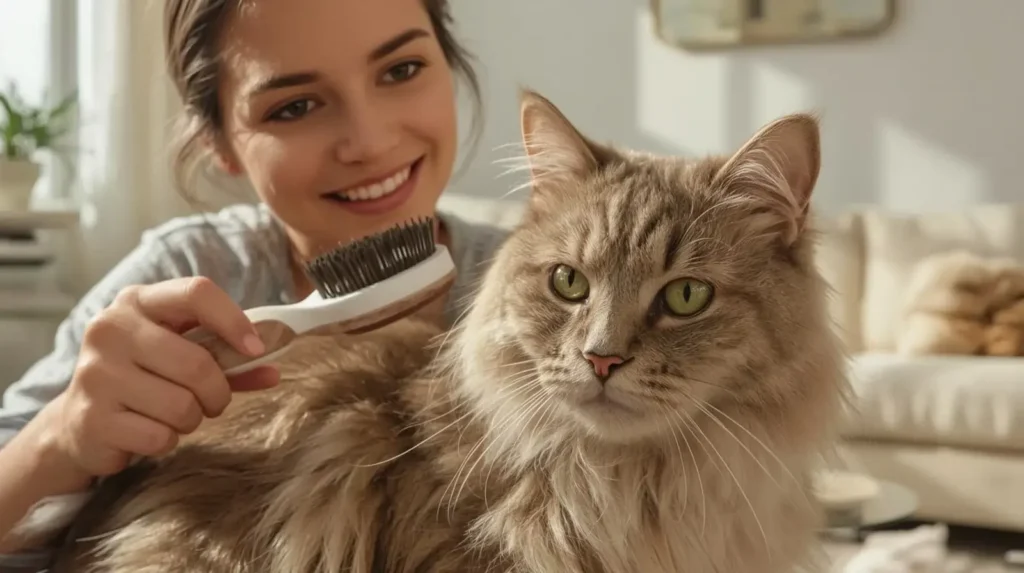
First Time Cat Owner Guide – Underestimating Grooming Needs
A common assumption among many new pet parents is that the long, fluffy hair means their fur baby requires regular grooming and the short-haired cats will be fine without it, but that’s not true! Regular grooming, even if they don’t have long, fluffy hair, is still required for short hairs because it keeps a cat healthy and happy! If we don’t brush out the hair, the loose fur will continue to build up on the cat’s body, and as they groom themselves, they will swallow a lot of it and eventually end up with hairballs, which can lead to vomiting and gastrointestinal issues.
Another area often overlooked is nail trimming. If your cat’s nails get too long, they can cause pain to the cat and damage your furniture. There are times when they can even get stuck in a blanket or carpet, which can create anxiety for the cat.
Grooming also provides you with the opportunity to check for any signs of skin problems which could include dryness, fleas, or irritation. Regularly brushing your cat a few times a week and trimming their nails every few weeks can make a world of difference!
And this isn’t just about taking care of your cat’s utilitarian needs; grooming time is a great way to create a bond with your cat! Grooming creates an environment where the cat will feel loved and relaxed, which strengthens the bond between pet owner and pet!
Learn about cat behavior and training from the Humane Society.
Not Planning for Emergency Expenses
New cat owners often ignore the emergency medical treatment costs before getting a cat, which is an incorrect assumption. While monthly recurrent costs such as food and litter may seem manageable enough, an emergency veterinarian visit due to an unexpected accident, sudden illness, or the development of an infection can create debilitating financial strain on new owners. Even healthy cats can have unexpected medical problems arise, and if new pet owners do not have a backup plan for these types of emergencies, they will likely become very stressed by the financial strain and uncertainty associated with bringing their pet to the veterinarian.
New pet owners may be forced to delay getting necessary treatment for their pets or face tough decisions about whether or not to continue treatment due to being unprepared to pay for the treatment they need. Thus, the most effective method to prevent such a situation is to start saving small amounts of money each month for emergency medical expenses or consider purchasing pet insurance. While savings or insurance may not seem like a great deal at the time of purchase, they will provide a significant amount of financial comfort if and when an emergency does occur.
Financial preparedness will help alleviate the panic and anxiety of having to bring a pet to an emergency veterinarian when the pet becomes ill or injured, and will also allow the new owner to feel good about making responsible decisions on behalf of their pet.

FAQ’s About First Time Cat Owner Guide
What should I know as a first time cat owner?
A first time cat owner should understand basic care needs like proper food, regular vet visits, litter box setup, grooming, and daily playtime. Following a First Time Cat Owner Guide helps avoid common mistakes and makes the transition easier for both the owner and the cat.
Is a First Time Cat Owner Guide really necessary?
Yes, a First Time Cat Owner Guide is very helpful because cats have specific needs that new owners often overlook. It provides clear guidance on feeding, health care, behavior, and budgeting, helping you become a confident and responsible cat owner.
What are the most common mistakes covered in a First Time Cat Owner Guide?
A First Time Cat Owner Guide usually covers mistakes such as feeding the wrong diet, skipping the first vet visit, poor litter box setup, lack of playtime, and not planning for emergency expenses.
How can a First Time Cat Owner Guide help with cat behavior problems?
A First Time Cat Owner Guide explains the importance of early training, mental stimulation, and setting boundaries. These steps help prevent scratching, biting, and other unwanted behaviors before they become habits.
Does a First Time Cat Owner Guide include grooming and health tips?
Yes, most First Time Cat Owner Guide resources include grooming advice such as brushing, nail trimming, and checking for skin issues, along with tips on vaccinations and parasite prevention.
Can a First Time Cat Owner Guide help me save money?
A First Time Cat Owner Guide can help you save money by teaching preventive care, proper nutrition, and financial planning. Avoiding common mistakes often reduces future vet bills and emergency costs.
Conclusion
A first-time cat owner is an exciting experience that comes with many responsibilities, but it is also an opportunity for you to make some of your dreams become a reality. Unfortunately, there can be many mistakes made by first-time cat owners because they do not have a clear idea of what to expect when they begin their journey as cat owners, nor do they have the experience or knowledge necessary to understand all of the needs of their new cat.
A First Time Cat Owner Guide can be a valuable resource to avoid many common issues that arise in the areas of feeding, health care, grooming, training, and budgeting. Learning about your new cat’s needs will help you strengthen your bond and create a safe and secure environment for your cat to live in.
By making a few basic preparations, you can be assured that you are creating a better quality of life for both you and your cat.
By being prepared (by doing proper research on your cat’s health and grooming schedule) and by spending time with your cat daily, you can create a much healthier and happier experience for all. By doing these things, you will have fewer health-related issues to deal with and have many more special memories and moments with your loving, furry friend.
For more details on cat health and nutrition, visit the ASPCA Cat Care guide.
If you enjoyed this guide, you might also find these articles helpful:
- Top 10 Dog Dental Care Tips for Healthy Teeth – Learn how to keep your dog’s teeth and gums healthy with daily care tips, dental chews, and diet suggestions that prevent bad breath and gum disease.
- Best Dog Dental Cleaning Tips at Home & Professional Care – Discover how to combine at-home brushing, dental chews, and professional cleanings to maintain your dog’s oral health and prevent costly vet treatments.
- Best Natural Dog Shampoo for Sensitive Skin in the USA – Explore gentle, chemical-free shampoos for dogs with sensitive skin, including tips on ingredients, grooming routines, and DIY solutions for itchy or dry skin.
- How to Stop Your Puppy from Crying in the Crate at Night – Get practical strategies to help your puppy feel secure in their crate, sleep through the night, and reduce separation anxiety.
- Dog Food for Small Dogs with Sensitive Stomachs – Learn which foods are gentle on small dogs’ digestive systems and how to transition diets safely while maintaining gut health.
📅 Last Updated:
✅ Reviewed & Verified by: M. Nouman, Pet Care Researcher
📖 This article on How to Take Care of a Puppy at Home (Beginner’s Guide 2025) covers everything new pet owners need — feeding schedules, safety setup, early training, and daily care tips to help your little companion grow healthy and happy. Read the full guide here.

About the Author 📚
M. Nouman is a dedicated pet insurance researcher with over 7 years of experience helping U.S. pet parents find affordable, trusted coverage. Working closely with veterinary professionals, Nouman ensures that every article on PetCoverUSA is accurate, reliable, and backed by real data.