
Some links may be affiliate links. We may earn a small commission at no extra cost to you.
Information may change over time and should be verified with official providers. We are not responsible for any decisions made based on this content.
Best Pet Insurance for Senior Dogs Over 10 Years Old
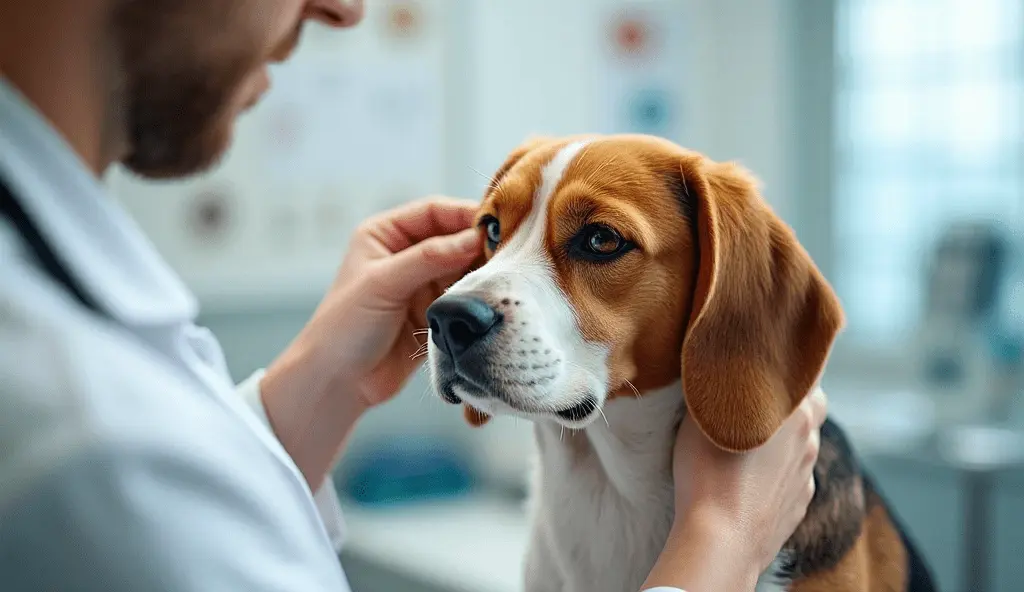
If your dog has turned 10 years old, and you are thinking, “Is it still worth it to buy pet insurance now, or is it too late?” After conducting my research and reviewing the surveys made in the industry, reports released by the insurers, and complaints lodged by the consumers, I am sad to say the honest answer to this question is that it depends, and the current guide is aimed at explaining what it depends on and not just presenting you a list of logos of the insurers.
Quick Answer
As a matter of fact, many insurers still accept pets that are over ten years of age, but the most important and pressing question that needs to be answered in this case is whether it makes sense financially. In most cases, it all comes down to the current medical record of the dog and the amount of money that the owner can afford to pay out of his/her own pocket. Finally, the owner should take into account that the premiums for older dogs tend to be much higher than the ones for the younger pets.
Who This Guide Is For
This information is designed for dog owner who owns a dog aged 10 or above and is not a policyholder in pet insurance; also, for those who already have a policy but do not understand why they are getting higher renewal rates. This is also meant for discussion by anyone who is struggling between taking up insurance and saving on insurance premiums instead.
Who Can Skip The Guide
If your dog has already been diagnosed with a chronic condition and you are simply looking for pet insurance to help you with that condition, this guide will not be much of a benefit since pre-existing conditions will be excluded from coverage based on the summary of publicly available policies regardless of the age of the dog.
What “Senior” Actually Means for a Dog
There is no one-size-fits-all age. As defined by the American Animal Hospital Association, a cat is considered a senior at the age of 10, whereas whether a dog is a senior largely depends on its size; larger dogs tend to have shorter-term lifespans, making them seniors before age 10, sometimes as young as 6 in giant breeds.
| Dog Size | Approximate Senior Age (as reported) |
|---|---|
| Giant breeds | As young as 6 years |
| Large breeds | Roughly 7–8 years |
| Medium breeds | Roughly 10 years |
| Small/toy breeds | Roughly 11 years |
Source: Bankrate.com
Knowing this is important, as the “senior dog” pricing category may already apply to your dog long before age 10.

What Premiums May Look Like at This Age
You should know that you can’t determine the premium just by looking at the insurance company quote. Pricing differs depending on your state, breed of your dog, deductible, and reimbursement levels.
Here’s what NerdWallet found out by gathering sample quotes to create the table for a mixed-breed dog in Katy, Texas, with an annual coverage limit of $5,000, a deductible of $500, and reimbursement of $80%.
| Dog’s Age | Monthly Rate (Sample Quote) |
|---|---|
| 2 years | $31.50 |
| 4 years | $33.61 |
| 6 years | $48.34 |
| 8 years | $70.99 |
| 10 years | $114.10 |
| 12 years | $156.59 |
Source: NerdWallet.com
The most significant insight, in my opinion, is that it is not the exact dollar amounts that are important in the table; it is the general trend. The difference between age 8 and age 10 is greater than the difference between age 2 and age 8 combined.
A different quotation from ConsumerAffairs regarding a Labrador in Dallas, which was 10 years old, has shown that Embrace charges $55.19 a month, with a limit of $5,000 per year, a deductible of $750, and a reimbursement rate of 70%. It charges about $172.51 a month for a plan with a limit of $30,000, a deductible of $200, and 90% reimbursement.
Source: ConsumerAffairs.com
It is safe to say that such a huge difference in pricing between a cheap plan and an extensive plan for the same dog should be taken into consideration when estimating the cost.
Three Complaint Patterns Regulators and Reporters Have Documented
According to reports in the news, as well as feedback from the public, three main complaints arising from consumers regarding their insurance companies can be noted – slow payouts, refusal to pay out due to pre-existing conditions, and high raises in premiums over time. It is important to note that just because these problems have been experienced by many consumers does not mean that all insurance companies have the same standards, but that is why something that seems like a good offer could turn out to be pointless or too costly later on.
Hidden Technicalities Most Comparison Blogs Skip
Premium “Increase Limits” May Not Hold Up the Way You Expect
While choosing pet insurance, you should understand claims clearly, like “capped increases,”. In many cases, these rate limits can vary depending on local regulations and state laws. Furthermore, insurance providers typically treat routine inflation-based adjustments separately from age-related repricing.
As your dog gets older, premiums can increase, even if the insurer maintains a cap on general rate hikes. If rate stability is important in your decision, it may be helpful to request clarification in writing from your insurer about what the real factors are that increase premiums, and which terms are applied to the premium increase due to age.
The Pre-Existing Condition Lock-In When You Try to Switch
Rules to switch to another insurance company are an important thing that is mostly ignored while choosing pet insurance. If a senior dog develops a medical condition under insurer A, it may be considered a pre-existing condition by insurer B and excluded from coverage under the new policy. Due to this standard underwriting rule, policyholders may feel tied to the original insurer, even if the rates increase over time. Understanding this thing can help pet owners to make long-term decisions.
What May Happen When You Hit Your Annual Coverage Limit
Cancer treatment may be expensive depending on the diagnosis, treatment plan, and location. Because therapies like surgery, chemotherapy, and scans can last months, a standard plan with $5,000 or $10,000 may run out before treatment is over. Many insurance companies offer unlimited coverage options to manage this risk, but it has higher monthly premiums. The decision to pay higher premiums depends on your dog’s breed-specific health risks, your budget, and how much financial risk you feel comfortable managing.
Accident-Only Plans and Age-Based Pricing
Accident-only plans usually cost less than comprehensive coverage plans because they exclude illness treatment. Since older dogs aren’t necessarily more prone to accidents than younger ones, these plans may see more gradual premium increases over time. For pet parents who are seeking a balanced approach, they can buy an accident-only plan and have an emergency savings fund for potential illness. However, rates and term vary significantly by company and region, so you should confirm details directly with your provider before deciding.
Vet Direct Pay and Why It Matters More at This Age
Most pet insurance policies work on a reimbursement basis, which means you pay the vet directly out of pocket and the insurance company pays you later. As senior dogs can face costly emergencies, covering a high upfront cost can create immediate financial problems. Some insurance companies do offer direct vet payments, where they pay the clinic directly. If you want to save yourself from paying out of your pocket, it may be better to choose a direct-to-vet payment method when evaluating plans.
Self-Funding vs. Insurance: A Fair Comparison
There are some dog owners who choose to save their money in a savings account rather than buying dog insurance. This has the benefit of working well if nothing goes wrong with your dog’s health, but it can also leave you open to a hefty bill should you end up with an expense for serious illness later on.
Vet Financing as a Companion Strategy
One option that rarely gets mentioned in articles on comparisons is Care Credit, a form of financing. Care Credit has partnered with Pets Best, which means it is now possible to receive money credited back to a Care Credit Card once an insurance claim is filed, and more integrations are underway with companies like Pumpkin and Figo.
Source: SeekingAlpha.com, tipraks.com, finviz.com
This will not lower the total bill, and you still have to repay the financing, but this could help with the problem of having to pay up front while waiting for reimbursement because, as has been pointed out before, some companies take a lot longer than others.
What to Actually Compare Between Providers
The most important things you must check before purchasing a new dog insurance policy if you are considering insuring your pet dog as a senior include:
- The upper age limit for enrollment in the policy.
- The waiting period for pre-existing health problems treatment.
- If previous medical studies are available before signing the policy.
- The manner in which pre-existing conditions are defined by the insurer.
- If dental illnesses are covered separately or through some other illness coverage.
- If there is a limit on annual claims and expected costs for the means of treating the dog’s dental conditions.
- The way in which the company approaches the increase in pricing after the policy is renewed.
| Factor | Why It Matters for a Dog Over 10 | Where to Verify |
|---|---|---|
| Upper age limit for new enrollment | Some insurers cap new accident-and-illness enrollment around age 14, per multiple published comparisons | Ask the insurer directly; confirm in the specimen policy |
| Waiting period for illness coverage | Illness coverage commonly starts around 14 days after enrollment based on published comparisons, though accident coverage may start sooner | Specimen policy/insurer FAQ |
| Annual coverage limit options | Capped limits (e.g., $5,000–$10,000) vs. unlimited tiers affect exposure to a major illness like cancer | Insurer’s plan comparison page |
| Pre-existing condition definition | Some insurers may reconsider a “cured” condition after a symptom-free period (commonly cited around 180 days), others may not | Specimen policy wording |
| Vet direct pay availability | Reduces need to front large bills, subject to vet participation | Insurer FAQ |
| Rate increase policy | Some companies reference caps on annual increases; ask what’s excluded from that cap | Ask in writing before enrolling |
A Decision Framework Before You Buy
- Request from your vet a complete copy of your pet’s medical history and note any items that can be considered pre-existing conditions.
- Get price quotes from a minimum of three insurance companies based on the same deductible, amount of reimbursement, and annual cap on dollar payouts in order to compare the actual prices.
- Write each insurance provider asking for specific reasons for increased insurance premiums and whether their age re-pricing is included in the price cap they advertise.
- Examine whether having a plan that provides unlimited annual coverage is worth the cost considering your pet’s breed-related health risks.
- If price is the primary issue, find out the cost of accident-only coverage in addition to having a dog-only savings account.


FAQ’s About Pet Insurance for Senior Dogs Over 10 Years Old
Is it too late to get pet insurance for a 10-year-old dog?
Not necessarily, based on the fact that several major insurers publicly state they have no upper age limit for new enrollment, though premiums are likely to be higher than they would have been at a younger age, and any existing conditions would likely be excluded as pre-existing.
Will my premium keep increasing every year?
It is reasonable to assume that it may, as rate structures published by most companies indicate that policies become more expensive as the age of the dog increases, although the percentage varies by insurer and state and depending on whether the claims have been made. Insurance companies may claim to impose a limit on annual increases, but, according to NBC News, the actual increase of at least one major insurance company exceeds the limit understood by the respective client, so it makes sense to check the information directly.
Can I switch insurers if my current one raises rates too much?
You can switch companies if you want to, but any health issue prior recognized by your current plan can be viewed as prior condition by a new insurer, which may mean you lose insurance for the problem you are the most fearful of.
Does an accident-only plan make sense for an older dog?
An accident-only policy can make sense if comprehensive accident-and-illness coverage has become too expensive or is no longer available because of your dog’s age. However, it only pays for accidental injuries and will not cover illnesses such as cancer, arthritis, dental disease, or other age-related conditions.
What happens if my dog’s cancer treatment costs more than my annual limit?
In relation to the cap on yearly limits, the policyholder bears all the other costs once the limit for that particular year is reached as the policy will need to be renewed before another maximum limit comes into effect.
Final Verdict
Based on my research, choosing pet insurance for a dog over 10 years depends on your pet’s health, your savings, and your budget. If your dog has no recent diagnosis, it may be helpful to compare quotes from multiple insurance companies before your dog develops some conditions. But if your dog has pre-existing health issues, discussing alternative payment options with your vet, such as CareCredit or a dedicated savings fund, may be a practical step. Whatever path you consider, reviewing a sample policy’s exclusion section by yourself remains essential before you make any final decision.
Related Pet Insurance Guides
If you’re comparing insurance options for an older dog, our comparison of pet insurance for older dogs can help you evaluate different coverage considerations.
Dental care can become an important consideration as dogs age. See our guide to Embrace, older dogs, and dental coverage for more information.
If you’re comparing overall policy features, our guide to comprehensive pet insurance coverage provides a broader starting point.
It’s also important to understand how insurers treat existing health conditions. Read our guide to pre-existing conditions and pet insurance .
For provider-specific research, you can also compare our Embrace pet insurance review with our Lemonade pet insurance review .
📅 Last Updated:

About the Author
M. Nouman is an independent researcher and writer focused on U.S. pet insurance. He reviews insurer policy documents, coverage terms, waiting periods, reimbursement options, exclusions, and publicly available veterinary and regulatory resources to create clear, research-based guides. His goal is to simplify complex insurance information so pet owners can make informed decisions based on reliable sources rather than marketing claims. Articles are reviewed and updated as policies and industry information change.
Areas of Research: Pet Insurance Policies, Coverage Analysis, Policy Comparisons, Waiting Periods, Reimbursement Models, Policy Exclusions, Claims Education
Research insights and updates on Quora, LinkedIn, and Reddit.