
Best Pet Insurance in New York in 2026 Guide: Expert Review, Real Costs & How to Choose the Right Plan
Pet insurance has shifted from a luxury item to an important financial security measure for New Yorkers who own pets. Many pet owners are now using pet insurance as a financial tool to protect themselves against one unexpected vet bill that could easily exceed their rent payment for several months.
After researching dog insurance plans, costs, claims procedure, and real customer experiences, it has become evident that there is no one particular pet insurance company that fits all needs. Each individual has his/her own risk profile as well as their own level of comfort in dealing with unexpected medical expenses when it comes to their pets’ health.
This guide is intended as a handy reference in determining what areas should be considered when selecting pet insurance, and will use actual costs and what has occurred after actual use of different types of pet insurance, along with general trends from many thousands of plans across the country.

Why Pet Insurance Matters More in New York Than Other States
While looking into pet insurance companies, I have found New York City to be one of the most expensive places to receive vet care in the U.S.
Here are some reasons why:
- Higher cost of running a veterinary clinic
- Specialty vet clinics are common
- Advanced procedures like MRI and CT scans are performed more than in other counties
- Emergency clinics are open 24/7
A pet owner would expect to pay about $1,200 for routine emergency care in a smaller state, but that could run anywhere from $3,000 to $5,000 in NYC.
Real Example
A Labrador pet owner living in Manhattan stated their dog had to undergo an emergency visit to treat a toy lodged in their dog’s throat. The owner had to pay:
Emergency examination,
X-rays,
Overnight monitoring.
Surgery
Total cost: $6,800.
The insurance reimbursements reduced the owner’s out-of-pocket costs to just under $1,500.
This is just one example of why so many people in New York City buy pet insurance; they want to avoid a financial crisis during an emergency, rather than to save money each month.
What “Best Pet Insurance” Actually Means
Many comparison websites make a huge error by saying one pet insurance company is best for everyone and thus, they rank companies without regard to the fact that what is best for each person is very different.
Here are some factors to consider when deciding on your best plan:
- The breed of your pet and breed-specific health risks
- The age of your pet
- How quickly you want your claims approved
- How high of a deductible you can afford
- How long you are willing to wait to receive any reimbursement
- How good the customer service is from each company
In my opinion, the most common mistake new pet owners make when selecting an insurance plan is not considering breed-specific health risks prior to enrolling in pet insurance.
For example, no two pets at different breeds (French Bulldog compared to a Domestic Shorthair) should be insured under the same logic in their pet insurance policy.
Common Health Risks Unique to New York Pets
New York has several environmental hazards that influence policy or coverage decisions for pet insurance.
Frequently reported claims include:
- Tick-borne Diseases such as Lyme Disease
- Wintertime antifreeze poisoning
- Ingesting marijuana in the city
- Ingesting foreign objects from the apartment (especially objects in pets)
- Porcupine encounters in the suburbs
Insurers use these risks in order to help determine their premiums or exclusions from coverage.
For pet insurance to be effective, the policy must be applicable to the specific environmental realities of the local area rather than general nationwide averages.
Average Pet Insurance Costs in New York (2026)
Based on current market comparisons:
| Pet Type | Average Monthly Cost |
|---|---|
| Dogs | $60–$70/month |
| Cats | $40–$50/month |
However, national averages can be misleading.
Premium costs for policyholders greatly depend upon the following variables:
- ZIP Code
- Dog breed risk category
- The coverage limit
- The deductible amount
- The reimbursement level
The following examples demonstrate the cost variation for the same dog in three different areas.
Example Pricing Differences
- New York City: $110-$260 (Monthly Rate)
- Long Island: $70-$190 (Monthly Rate)
- Rochester: $45-$130 (Monthly Rate)
As you can see, the same exact dog, insured in three different locations, can have a very different premium.
Read these statistics again; they can be surprising.
How Pet Insurance Actually Works (Simple Explanation)
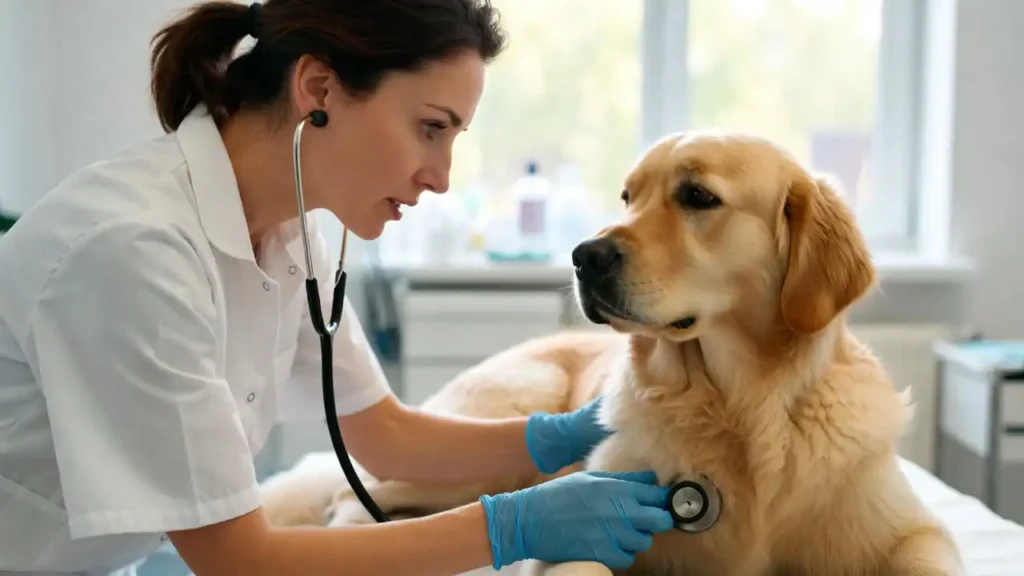
Pet insurance works on a reimbursement basis, as opposed to human health insurance.
- You take your pet to a licensed veterinary clinic.
- You pay the bill up front.
- You file a claim.
- The insurance company reimburses you 70%-100% of the eligible expenses.
By understanding this process, it can prevent you from having high expectations.
What Good Pet Insurance Covers
Typically have the following features:
Often Covered
- Accidents/injuries
- Sickness/infection
- Surgery/hospitalization
- Diagnostic testing
- Cancer treatment
- Prescription drugs
Sometimes Covered
- Dental Disease
- Behavioral Therapy
- Alternative Treatments
- Rehab Therapy
Almost Never Covered
- Pre-existing conditions
- Routine preventative vet visits (wellness exams)
- Vaccinations
- Cosmetics
There is a lot of confusion about this area and many people think that their pet insurance does not pay out, but this is primarily due to having very high expectations.
Real-Life Scenario: When Insurance Becomes Valuable
For example, if your dog suffered an injured cruciate ligament while sprinting across the grass in Central Park, here are the costs you would incur if you had standard New York vet fees.
- Vet exam $200
- Imaging (X-ray/MRI) $600
- Orthopedic surgery by a specialist $4,500
- Physical rehab to recover from surgery $1,200
Total cost $6,500
Assuming your insurance has an 80% reimbursement, you would only pay approximately $1,300 to $1,800 out of your own pocket after your deductible.
Without pet insurance, most owners wait too long for an operated on and their dog may have more challenging recovery.
Paying for Pet Insurance in New York
Affordable vs Comprehensive Plans: The Trade-Off
The cheapest plan is seldom the best long-term option.
Accident only plans sound appealing, but most of the claims (approx. 70%) will be from illness.
Comparing similar type policies, about 70% of all claims will be for illness.
Thus, by purchasing low cost insurance you can quickly outspend your pet for many years to come.
How to Lower Pet Insurance Costs in New York
Ways to save:
- Have a higher deductible
- Choose 70-80% reimbursement
- Introduce your pets to pet insurance as early in life as possible
- Get pet insurance before there are any health problems
- Take advantage of multi-pet discounts
As you allow more time to pass without getting pet insurance, your premiums will increase significantly.
Mistakes Pet Owners Commonly Make
Buying insurance after symptoms appear
Pre-existing illnesses are not covered under any applicable policy.
Ignoring waiting periods
An injury may have longer than average waiting periods before the coverage comes into effect.
Choosing based only on price
It is usually better to look at the company’s claims ratio.
Not reading exclusions
There are many more differences in pet insurance policies than most people are aware of.

According to My Experience Reviewing Insurance Guides
Analyzing Pet Insurance Policies
- Buy early in pet ownership
- Provide coverage that is specific to the breed
- Have realistic expectations
Owners who feel negatively about the insurance process have failed to do any of the above steps.
Is Pet Insurance Worth It in New York?
In most cases, yes.
There is a much higher likelihood that you will benefit from pet insurance if;
- You have limited savings to use for major emergencies
- Your pet is considered a high-risk breed
- You want to budget better
- You would prefer to make medical decisions without the burden of figuring out how you will pay for it
Conversely, if you maintain an emergency fund of $10,000 or more for your pet, you may not need insurance.
Pet insurance is risk management, not guaranteed savings.
How to Choose the Right Plan (Expert Checklist)
Before purchasing a plan, pet owners must answer the following questions;
✔ What types of illness/test will my breed likely incur?
✔ What is the deductible I will be using to fund my insurance?
✔ How fast will my claims be processed?
✔ Are there any costs associated with my vet visit that my insurance will cover?
✔ Are there any breed-specific illnesses that I will have to pay for?
Following this process will greatly improve your satisfaction with the plan you choose.
Why Many Owners Compare Plans Instead of Picking One Brand
Pet insurance comparison websites help the pet owner compare:
- Coverage differences
- Claim limits
- Waiting periods
- Lifetime value
This eliminates bias from the decision-making process.
FAQ’s
Is pet insurance worth it in New York?
For many pet owners, pet insurance is worth it due to higher veterinary costs in New York. Emergency treatments can cost thousands of dollars, and insurance helps reduce unexpected financial pressure by reimbursing eligible medical expenses.
How does pet insurance work?
Most pet insurance plans use a reimbursement model. You pay the veterinarian upfront, submit a claim, and receive reimbursement based on your policy’s deductible and coverage percentage.
What does pet insurance usually cover?
Typical coverage includes accidents, illnesses, surgeries, diagnostic testing, medications, and emergency care. Preventive care like vaccinations or routine checkups is usually excluded unless a wellness add-on is purchased.
Can I visit any veterinarian with pet insurance?
Yes. Most pet insurance providers allow you to visit any licensed veterinarian or animal hospital, giving pet owners flexibility when choosing care.
Does pet insurance cover pre-existing conditions?
No. Pre-existing conditions are generally excluded from coverage. This is why enrolling your pet while they are young and healthy is strongly recommended.
How much does pet insurance cost in New York?
Average monthly premiums are around $60–$70 for dogs and $40–$50 for cats, though prices vary depending on breed, age, location, and selected coverage options.
When is pet insurance not worth it?
Pet insurance may not be ideal if your pet already has multiple pre-existing conditions or if you maintain a large emergency savings fund capable of covering major veterinary expenses.
Final Verdict: Who Should Get Pet Insurance in New York
The best pet insurance is for pet owners who have a need for financial security and protection against high veterinary costs.
In high-cost cities like New York, one trip to an emergency vet may cost you years worth of the premiums; choosing pet insurance is more about risk tolerance than trying to afford the price of monthly premiums.
Instead of asking yourself which company is providing you with excellent coverage, ask yourself “What is the best way to protect my pet’s risk, based upon my specific pet?”
Using this paradigm will result in you making better decisions and fewer regrets.

Why This Guide Exists
This Guide was created to provide a transparent & objective educational resource that informs pet owners on selecting the appropriate amount of coverage based on their pets’ health & wellness, so they can provide their pet’s the medical attention needed when emergencies arise & thus preserve their financial stability. Because providing coverage for your pet should not be left to chance. Understanding your coverage allows both a pet owner and their pet to feel secure & protected from the repercussions of future accidents or diseases that could occur.
Trusted External Resources
Related Pet Insurance Guides & Expert Reviews
-
Lemonade Pet Insurance Review 2026 – Coverage, Pricing & Real Pros and Cons
A detailed expert breakdown of Lemonade’s claims process, reimbursement options, and who this plan is actually suitable for. -
Embrace Pet Insurance Review 2026 – Benefits, Waiting Period & Claim Experience
Learn how Embrace compares in flexibility, deductible structure, and long-term value for dog and cat owners. -
Pumpkin Pet Insurance Review 2026 – Coverage Details, Pros & Limitations Explained
An in-depth analysis of Pumpkin’s preventive care options, reimbursement model, and common policy exclusions. -
ASPCA Pet Insurance Review 2026 – Pricing, Coverage & Real Policy Insights
Explore ASPCA insurance coverage structure, eligibility rules, and real scenarios where claims are approved or denied. -
Affordable Pet Insurance Plans for Dogs & Cats (2026 Guide)
Compare budget-friendly insurance options and learn how deductibles and reimbursement rates affect total costs. -
Pet Insurance With No Waiting Period – What Actually Exists in the USA
A realistic guide explaining waiting periods, instant coverage myths, and how policies really work. -
Nationwide Pet Insurance Guide – Plans, Costs & Coverage Benefits
Understand Nationwide’s plan types, reimbursement structure, and suitability for multi-pet households.
📅 Last Updated:
✅ Verified by: John Smith, Pet Insurance Specialist

About the Author
M. Nouman is a pet insurance researcher with over seven years of experience reviewing U.S. pet insurance policies, coverage rules, and claim practices. His work focuses on turning complex insurance terms into clear, practical guidance so pet owners can make informed decisions without relying on promotional claims.
You can find his research-based answers on Quora and connect professionally on LinkedIn.